Optimal pH for Niacinamide + NAG Formulation
Question
What is the optimal pH range for a formulation containing Niacinamide (Vitamin B3) and N-Acetyl Glucosamine (NAG)? Can Citric Acid be used to adjust the pH, and why is maintaining this specific pH range important for the formula's effectiveness and skin compatibility?
Answer
Subject: pH for Vitamin B3 + NAG Formulation
Regarding your question about the optimal pH for a Vitamin B3 (Niacinamide) and NAG (N-Acetyl Glucosamine) formulation:
Optimal pH Range: You mentioned a range of 4.0-6.0. Based on general skincare principles and the discussion provided, maintaining a pH within the skin's natural slightly acidic range (around 5.5) or slightly below is beneficial for skin health and minimizing irritation. The provided conversation suggests a range of 4.5-6.6 is generally acceptable for skincare products, with 5-6 being considered "pH balanced" for skin.
- For Niacinamide (Vitamin B3), optimal stability is typically in the pH range of 5.0-7.0. At pH levels below 5.0, Niacinamide can hydrolyze into Niacin (Nicotinic Acid), which can cause skin flushing and irritation.
- NAG (N-Acetyl Glucosamine) is generally stable over a wide pH range.
- Considering both ingredients and skin compatibility, a pH range closer to 5.0-6.0 is often considered ideal for a Niacinamide + NAG formulation. While 4.0-6.0 is mostly acceptable, the lower end (4.0) might increase the risk of Niacinamide hydrolysis over time compared to a range starting at 5.0.
Using Citric Acid: Yes, citric acid is a common and effective ingredient used to adjust (lower) the pH in cosmetic formulations.
Effectiveness at this pH Range: Maintaining the pH within the recommended range (especially 5.0-6.0) contributes to the effectiveness of the formula in several ways:
- Skin Compatibility: It aligns with the skin's natural pH, minimizing irritation and supporting the skin barrier function. Products with pH significantly higher or lower than the skin's natural pH can disrupt the barrier and cause sensitivity, as mentioned in the provided conversation.
- Ingredient Stability: A pH in the 5.0-6.0 range helps ensure the stability of Niacinamide, preventing its degradation into Niacin, which can cause unwanted side effects like flushing.
- Optimal Function: While Niacinamide and NAG are generally effective over a range, formulating within the skin-compatible pH range ensures they can work effectively without causing irritation that might counteract their benefits.
In summary, while 4.0-6.0 is mostly acceptable, aiming for a pH closer to 5.0-6.0 is generally preferred for optimal Niacinamide stability and minimizing potential irritation from Niacin formation, while still being well within the skin-friendly range. Citric acid is a suitable pH adjuster. Maintaining the correct pH is crucial for both skin tolerance and ingredient stability, thus contributing to the overall effectiveness of the formula.
Updated Review: May 2026
This section was added after reviewing the original answer against current product availability and formulation knowledge at the stated point in time.
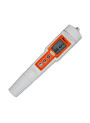
Update (2026-05-17): For modern formulations combining Vitamin B3 and NAG, the ideal pH range remains 5.0–6.0. Using high-purity Niacinamide such as Safe-B3™ or Extreme-B3™ significantly reduces the risk of skin flushing, as these grades are stable across a wide range (pH 3.0–8.0). However, staying near pH 5.5 aligns best with the skin's natural acidity. For the NAG component, GlucoBright™ is stable between pH 3.0–7.0. To maintain a precise and stable pH, it is recommended to use Citric Acid for downward adjustment and a buffer like Sodium Citrate to prevent pH drift during storage. For DIY enthusiasts, while litmus strips provide a quick check, a digital pH meter is recommended for more accurate results in active-heavy serums.
Related Products Mentioned
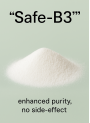
Safe-B3™ (Vitamin B3, Niacinamide)

GlucoBright™ (Acetyl Glucosamine)
Citric Acid (Anhydrous, Natural)