Optimizing Sunscreen Formula for Oily, Sensitive Skin
Question
How can a sunscreen formula with the provided ingredient list be improved to be more suitable for normal to oily, sensitive skin, focusing on texture, oil control, and minimizing white cast?
Answer
Sunscreen Formula Refinement for Oily, Sensitive Skin
Your current formula provides robust UV protection with a combination of physical (Zinc Oxide) and chemical filters (Tris-Biphenyl Triazine, Methylene Bis-Benzotriazolyl Tetramethylbutylphenol, Bis-Ethylhexyloxyphenol Methoxyphenyl Triazine, Diethylamino Hydroxybenzoyl Hexyl Benzoate, Ethylhexyl Triazone). It also incorporates ingredients like Niacinamide, Zinc PCA, Ceramide Complex, Centella Asiatica Extract, Aloe Vera, and Hyaluronic Acid, which are excellent for addressing sensitivity and providing hydration.
To further optimize the formula for oily and sensitive skin, consider the following adjustments:
1. Enhance Oil Control and Texture
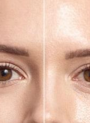
- Silica: You are currently using Silica and MatteSilica XL™. To maximize oil absorption and achieve a more matte finish, you could consider using a higher oil-absorbing grade like MatteSilica 5XL™ or MatteSilica 10XL™. These are specifically designed for high sebum absorption, which can help reduce shine throughout the day.
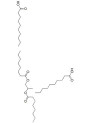
- Emollients: The formula includes Isododecane and Propylene Glycol Dicaprate, which are relatively light. Ensuring the overall oil phase is balanced with lightweight, non-greasy emollients is key. Isododecane (Ultra Lite) is a very volatile option that evaporates quickly, contributing to a dry-touch feel.
- Thickeners/Film Formers: The Acrylates Copolymer and Acrylates/C10-30 Alkyl Acrylate Crosspolymer contribute to the formula's structure. Using film formers like Allianz OPT can help create a durable, water-resistant film without adding significant viscosity, which can result in a lighter feel. Electrolyte-tolerant thickeners like Carbomer Ultrez 30 or Carbomer 2020 are good choices if your formula contains ionic ingredients.
2. Optimize Zinc Oxide Dispersion
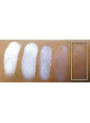
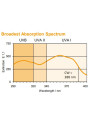
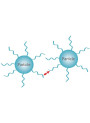
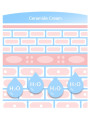
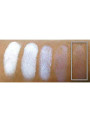
- If the Zinc Oxide used is a standard powder, it can sometimes contribute to a heavier feel or visible whiteness, even at 8%. Consider using a pre-dispersed form of Zinc Oxide Transparent Dispersion (available in different bases like C12-15 alkyl benzoate or Isopropyl Palmitate, or even a Water Base dispersion). These nano-sized dispersions are designed to be easily incorporated, reduce whiteness, and provide a lightweight feel while still offering excellent broad-spectrum protection. Polyhydroxystearic acid in your formula will help with the dispersion of physical filters.
3. Support Skin Barrier and Soothing
- The inclusion of Safe-B3™ (Niacinamide), Ceramide Complex, and Pure-TECA™ Centella Asiatica Extract is excellent for sensitive skin. You could potentially increase the concentration of Safe-B3™ up to 5% or even 10% (as it's the high-purity version designed to minimize flushing) to further enhance barrier function, reduce redness, and help regulate oil production.
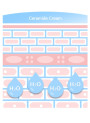
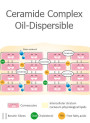
- For Ceramide Complex, you are using a Water Dispersible Powder. Alternatives like Cera-Flux V or Cera-Flux VX are pre-dispersed gel-cream forms that might offer different ceramide profiles or ease of formulation, while still supporting the skin barrier.
4. Preservative System
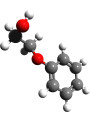
- You are using Phenoxyethanol (Extra Pure). For broader antimicrobial coverage, especially against fungi, consider using Phenoxyethanol SA, which is a blend including Caprylyl Glycol and Sorbic Acid. Ensure the pH of your final formula is within the effective range for the chosen preservative.
By carefully selecting the specific grades of ingredients like Silica and Zinc Oxide, and potentially adjusting the concentrations of actives like Niacinamide, you can further tailor this formula to provide effective sun protection with a lighter, more comfortable feel for normal to oily, sensitive skin. Always perform stability and efficacy testing on your final formulation.
Related Products Mentioned
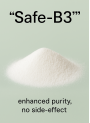
Safe-B3™ (Vitamin B3, Niacinamide)
Glycerin (USP/Food Grade)
Phenoxyethanol (Extra Pure)
Disodium EDTA
Isododecane (Germany)
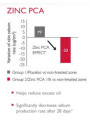
Zinc PCA
Zinc Oxide (Micronized)
Butylene Glycol
MatteSilica 5™ (5 Micron)
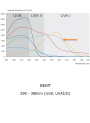

Phenoxyethanol SA (eq. Optiphen Plus)
Butylated Hydroxytoluene (BHT)
Propylene glycol dicaprylate/dicaprate
Polyhydroxystearic acid
Isododecane (Ultra Lite)


Zinc Oxide 40nm Dispersion (Water Base)
UltraBlur™ (Skin Blurring Silica)