Peeling Gel pH Adjustment and Stability Issues with TEA
Question
I am making a peeling gel and have some questions regarding the formulation.
1. What is the difference between Carbomer and Carbopol?
2. How does the peeling or clumping effect occur in this type of gel?
3. I have tried making the gel, and the pH is very low. I used 99% TEA to adjust the pH, but when I added too much, the gel separated. Could you recommend alternative substances to adjust the pH and advise on how to avoid separation?
Answer
Peeling Gel pH Adjustment and Formulation
You're asking about the difference between Carbomer and Carbopol and how to get your peeling gel to clump effectively, as well as needing help with pH adjustment causing separation.
Carbomer is the chemical name for a type of polymer used as a thickener and gelling agent. Carbopol is a brand name for Carbomer products manufactured by Lubrizol. So, many Carbopol products are types of Carbomer.
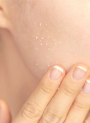
The peeling or clumping effect in a gel like yours typically occurs due to the interaction between the anionic Carbomer polymer and cationic ingredients such as Behentrimonium Chloride (BTAC) and Cetrimonium Chloride (CTAC). When the Carbomer gel, formed by neutralization, comes into contact with these cationic ingredients and is rubbed on the skin, the polymer structure collapses, causing visible clumps of dead skin cells and product to form. To achieve this effect effectively, you need sufficient concentrations of both the Carbomer (as recommended, >2.5%) and the cationic ingredients (BTAC and CTAC, at least 2% each).
You mentioned experiencing low pH and separation when using TEA (Triethanolamine) to adjust the pH. TEA is a common neutralizer for Carbomer, but using too much, adding it too quickly, or using a high concentration can sometimes lead to instability or separation, especially in formulations containing cationic ingredients like BTAC and CTAC.
Here are alternative pH adjusters you can use:
- Sodium Hydroxide: A strong inorganic base effective for neutralizing Carbomer. It must be used with caution. Always dilute it significantly (e.g., 10% or less solution) before adding it to your formulation. Add the diluted solution very slowly, drop by drop, while stirring constantly and checking the pH until you reach your target.
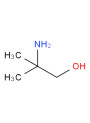
- AMP (2-Amino-2-methyl-1-propanol) 95%: This is an organic amine neutralizer that can offer better stability in some formulations compared to TEA, particularly in the presence of alcohol or when clarity is important. Use it carefully, diluting if needed, and adding slowly while stirring and monitoring the pH.
To avoid separation when adjusting pH with any base:
- Ensure the base is diluted.
- Add the diluted base very slowly, drop by drop.
- Stir the formulation continuously and thoroughly during the addition.
- Stop adding the base and measure the pH frequently until the desired pH is reached.
By using an appropriate alternative neutralizer like Sodium Hydroxide or AMP and employing careful pH adjustment techniques, you should be able to stabilize your peeling gel formulation and achieve the desired clumping effect.
Related Products Mentioned
Cetrimonium Chloride (CTAC)
Sodium Hydroxide
Carbomer 940 (EasyDisperse™, France)