Peptide Serum Formulation for Anti-Wrinkle
Question
I am formulating a serum with the following ingredients:
- Tetrapeptide-21 3%
- Pep®-Coll (Palmitoyl Tripeptide-5) 3%
- Hexapeptide-9 2%
- Acetyl Octapeptide-3 (eq. SNAP-8) 10%
- Quick-Coll® 2%
- Glycereth 26 5%
- Hyaluronic Acid 0.2%
- Disodium EDTA 0.2%
- Phenoxyethanol 0.5%
- Water (remaining amount)
I have three questions regarding this formulation:
- Are all the peptides listed above compatible when mixed together in this formula?
- Could you please identify which of the 6 peptides listed have similar functions or provide similar results? And in your opinion, which of these similar peptides is more interesting or effective?
- If I need to select only 3-4 peptides, which ones would you recommend to achieve good anti-wrinkle efficacy?
Answer
Peptide Formulation Analysis
Based on the ingredients you provided and the information available:
1. Compatibility of Peptides in the Formula
The peptides you listed, including Tetrapeptide-21, Palmitoyl Tripeptide-5 (Pep®-Coll), Hexapeptide-9, and Acetyl Octapeptide-3 (eq. SNAP-8), are generally water-soluble and commonly used in serum or water-based formulations. The other ingredients you listed that were found (Hyaluronic Acid, Disodium EDTA, Phenoxyethanol) are also water-soluble and compatible within a typical cosmetic pH range (usually between 3 and 9, which is suitable for these ingredients).
Mixing instructions for the peptides suggest adding them at lower temperatures (below 40°C for some, avoiding high heat for others), which is standard practice when incorporating sensitive active ingredients like peptides into a cooled-down base. Disodium EDTA and Phenoxyethanol can be added earlier in the process.
Therefore, based on the properties of the ingredients for which information was found, the peptides and other components appear compatible in the proposed water-based formula, provided proper mixing temperatures are observed. Information on Glycereth 26 and Quick-Coll® (Copper Lysinate Prolinate) was not available, so their specific compatibility cannot be confirmed, but Glycereth 26 is a common, generally compatible humectant. Copper peptides are also typically compatible with other peptides, though specific pH considerations can sometimes apply.
2. Peptides with Similar Functions
Looking at the functions described for the peptides:
- Collagen/ECM Support: Tetrapeptide-21, Palmitoyl Tripeptide-5 (Pep®-Coll), and Hexapeptide-9 primarily work by stimulating the skin's structural components like collagen, elastin, or the extracellular matrix (ECM) to improve firmness and reduce wrinkles.
- Muscle Relaxation: Acetyl Octapeptide-3 (eq. SNAP-8) works by a different mechanism, targeting the muscle contractions that contribute to expression lines, similar to Argireline but noted as more effective.
Thus, Tetrapeptide-21, Palmitoyl Tripeptide-5, and Hexapeptide-9 have similar goals related to improving skin structure and reducing wrinkles by supporting collagen and ECM. Acetyl Octapeptide-3 has a distinct function targeting muscle movement.
Among the peptides that support collagen/ECM:
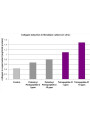
- Tetrapeptide-21 is described as acting directly on the ECM and having better wrinkle reduction efficiency than Matrixyl.
- Palmitoyl Tripeptide-5 (Pep®-Coll) is noted for stimulating collagen production and showed significant wrinkle reduction in trials, being more effective than Matrixyl in reducing wrinkles in width, length, and depth.
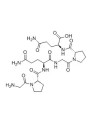
- Hexapeptide-9 promotes collagen and elastin, improves firmness, and also helps with hydration and the appearance of under-eye issues.
Based on the descriptions highlighting comparative efficacy against Matrixyl and specific mechanisms, Palmitoyl Tripeptide-5 (Pep®-Coll) and Tetrapeptide-21 appear particularly interesting for their direct claims regarding significant wrinkle reduction and ECM/collagen stimulation. Pep®-Coll's detailed trial results showing reduction across wrinkle dimensions are quite compelling.
3. Recommended Peptides for Anti-Wrinkle Efficacy (3-4 types)
To achieve good anti-wrinkle efficacy, combining peptides that work through different mechanisms is beneficial. A strong selection of 3-4 peptides could include:
- Palmitoyl Tripeptide-5 (Pep®-Coll): Excellent for stimulating collagen and reducing wrinkle depth, width, and length.
- Tetrapeptide-21: Works on ECM synthesis and degradation for structural support and wrinkle reduction.
- Acetyl Octapeptide-3 (eq. SNAP-8): Targets expression lines by reducing muscle contraction.
This combination of three peptides (Palmitoyl Tripeptide-5, Tetrapeptide-21, and Acetyl Octapeptide-3) provides a multi-faceted approach by addressing both structural support (collagen/ECM) and the reduction of dynamic wrinkles caused by muscle movement.
If you prefer to include a fourth peptide, adding Hexapeptide-9 would further enhance the formula by providing additional collagen/elastin support, firmness benefits, and hydration support, complementing the actions of the other peptides.
Therefore, a highly effective combination would be Palmitoyl Tripeptide-5, Tetrapeptide-21, and Acetyl Octapeptide-3. Adding Hexapeptide-9 would make it even more comprehensive.
Related Products Mentioned
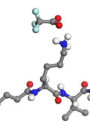
Pep®-Coll (Palmitoyl tripeptide-5)
Phenoxyethanol (Extra Pure)
Disodium EDTA
Hexapeptide-9 (1000ppm Solution)
Tetrapeptide-21