Perfect-A Crystallization in Emulsion
Question
I am using Perfect-A (both the powder form dissolved in DMI and the liquid Perfect-A 10™) in my emulsion formulation. When adding it in the final step, yellow crystals or streaks appear. I also observed the same crystallization when adding Perfect-A 10™ to plain water. How can I prevent this crystallization issue?
Answer
Perfect-A Crystallization Issue
The issue you are experiencing with Perfect-A (both powder dissolved in DMI and the liquid Perfect-A 10™) forming yellow crystals or streaks when added to your emulsion or water is likely due to the Hydroxypinacolone Retinoate (HPR) active ingredient exceeding its solubility limit in the final medium.
Based on the product information:
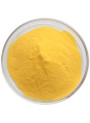
- Perfect-A 99™ (Powder): This form is 99% HPR and is soluble in glycols like Dimethyl Isosorbide (DMI) and some oils. While you correctly dissolved it in DMI, adding this solution to an emulsion (which contains a significant water phase) or plain water can cause the HPR to precipitate out if the overall concentration of HPR in the final water-rich mixture exceeds its limited solubility in that phase.
- Perfect-A 10™ (Liquid): This product is HPR pre-dissolved in Dimethyl Isosorbide (DMI). The description states it "Disperses in water, some oils". The fact that it crystallizes even in plain water confirms that HPR in DMI does not fully dissolve in water but rather disperses. If the concentration is too high for the water content or other ingredients in your formulation, it will crystallize.
How to Solve the Crystallization Problem:
- Reduce Concentration: The most direct solution is to reduce the concentration of Perfect-A (and thus HPR) in your final formulation. Ensure you are not exceeding the recommended usage rates (up to 0.2% for Perfect-A 99™ powder, which translates to about 0.2% HPR in the final product; up to 2% for Perfect-A 10™, which translates to about 0.2% HPR in the final product). Even within the recommended range, if your formulation has a high water content and limited co-solvents, crystallization can occur.
- Increase Co-solvents: Ensure your emulsion contains sufficient co-solvents like Dimethyl Isosorbide (DMI) or other glycols throughout the formula, not just for dissolving the powder initially. These co-solvents help keep the HPR dissolved in the final product.
- Consider Perfect-A Nano™: If your formulation is water-based or has a high water phase and you want to avoid high levels of co-solvents, consider using Perfect-A Nano™ (Hydroxypinacolone Retinoate Encapsulation). This form is specifically designed to be dispersed directly in the water phase and may offer better stability against crystallization in water-rich systems.
- Mixing Method: While Perfect-A 10™ suggests adding in the last step and blending, ensure thorough and complete dispersion. For the powder dissolved in DMI, ensure the DMI solution is fully incorporated and compatible with the phase you are adding it to (ideally an oil or co-solvent phase if possible, although adding to the end phase is common for actives).
- Check Compatibility: Review your full formulation for ingredients that might reduce the solubility of HPR or DMI in the mixture.
In summary, the crystallization indicates that the HPR is not staying dissolved in your final product. Adjusting the concentration, increasing co-solvents, or switching to the encapsulated form (Perfect-A Nano™) are the primary ways to address this.