Perfume Formulation Issues: Water Base, Color Dispersion, and Fixative
Question
I am trying to create a perfume. I initially used a water base, but the formula separated and became cloudy. I also tried adding EasyMix colors, but they did not mix in properly.
- What is the correct base to use for a perfume (water or alcohol)?
- How should I properly formulate the perfume, including adding Fragrance Oil and Dipropylene Glycol?
- I plan to use 12H Fix™ (Fragrance Fixative). What is the recommended usage percentage? If the scent fades quickly, can I increase the concentration?
- How should I properly incorporate color into an alcohol-based perfume formula, especially since EasyMix colors did not work?
- Are there specific instructions for dissolving 12H Fix™ (e.g., using heat with a solvent like LipidSoft™ Lite)?
Answer
Your original perfume formula using water caused separation because fragrance oils are generally not miscible with water. They are designed to dissolve in oil or alcohol bases.
Using Ethyl Alcohol as the base, as you discovered and the staff confirmed, is the correct approach for creating a clear, stable perfume solution with fragrance oil.
Regarding the color not mixing, the "EasyMix" colors you mentioned are typically designed to disperse in oil or silicone bases, not water or alcohol. This is likely why the color is not incorporating properly into your formula.
To create your perfume:
- Use Ethyl Alcohol as the primary solvent instead of water.
- Dissolve the Fragrance Oil and Dipropylene Glycol in the Ethyl Alcohol.
- Add the fragrance fixative, such as 12H Fix™ (Fragrance Fixative). As the staff suggested, if the scent fades too quickly, you can try increasing the concentration of the fixative. Note that 12H Fix™ may require heating with a solvent like LipidSoft™ Lite to fully dissolve before adding to the alcohol base, as per its description.
- For coloring an alcohol-based perfume, you would typically need colors that are soluble in alcohol or a suitable dispersant for pigments in alcohol. Using EasyMix colors directly in alcohol may not yield a stable, well-mixed result.
Related Products Mentioned
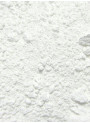
White Oxides EasyMix™
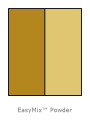
Yellow Iron Oxides EasyMix™
Red Iron Oxides EasyMix™

Dipropylene glycol
Purified Water, TDS Limit 1PPM)