pH Stability and Formulation Guidelines for BEMT and Avobenzone Sunscreens
Asked by: elmer.jr.gacer
On: December 28, 2025
Product Type:
Cosmetics
Answered
Question
I have purchased the following sunscreen ingredients (Order 255695) and would like to know their optimal pH stability ranges and any specific formulation requirements to ensure their effectiveness:
- BEMT (Bis-Ethylhexyloxyphenol Methoxyphenyl Triazine, e.q. Tinosorb S, Product ID:
772) - Avobenzone (Butyl Methoxydibenzoylmethane, Product ID:
267)
Specifically, I need information on:
- What is the stable pH range for each ingredient in a cosmetic formulation?
- Are there any incompatibilities with other common sunscreen agents like Zinc Oxide or Titanium Dioxide?
- What are the recommended stabilizers or solvents for these ingredients to prevent degradation?
Answer
For the sunscreen ingredients from your order, here are the details regarding their pH stability and formulation guidelines based on the product data:
1. BEMT (Bis-Ethylhexyloxyphenol Methoxyphenyl Triazine)
Product ID: 772
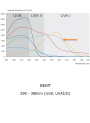
- pH Stability Range: BEMT is highly stable and does not have a narrow pH restriction within typical cosmetic ranges. It remains effective and stable in formulations with a pH ranging from 4.0 to 8.0, which covers most skincare products.
- Key Stability Features:
- It is exceptionally photostable (does not break down easily under sunlight).
- Unlike Avobenzone, it is compatible with physical sunscreens like Zinc Oxide and Titanium Dioxide.
- It can be used alongside OMC (Ethylhexyl Methoxycinnamate) without stability issues.
- Formulation Tip: It is oil-soluble and should be dissolved in a suitable solvent such as Octisalate or LipidSoft™ C1215 before being added to the formula.
2. Avobenzone (Butyl Methoxydibenzoylmethane)
Product ID: 267
- pH Stability Range: Avobenzone is most stable in a neutral to slightly acidic environment, typically between pH 5.0 and 7.0.
- Key Stability Features:
- Photostability: It is inherently unstable when exposed to UV light. It requires stabilizers like Octocrylene (Product ID: 268) to maintain its effectiveness.
- Incompatibilities: It should not be used with Zinc Oxide, Titanium Dioxide, or Alumina, as these will cause rapid degradation.
- Chelation: It is sensitive to metal ions, which can cause discoloration. It is highly recommended to include 0.1% Disodium EDTA in the water phase of the formulation to protect the Avobenzone.
- Formulation Tip: It must be completely dissolved in the oil phase (using heat at 80-85°C). Effective solvents include LipidSoft™ Solve (Product ID: 6970) or Octocrylene.
In summary, while both ingredients are stable within the standard cosmetic pH range (5.0–7.0), Avobenzone requires much stricter formulation controls (stabilizers and avoiding specific minerals) compared to the highly robust BEMT.