Physical Form of Soy Lecithin for Nano-Liposome Formulation
Question
I would like to inquire about the characteristics/physical form of [url=http://www.myskinrecipes.com/shop/emulsifier/256-soy-lecithin-%E0%B9%80%E0%B8%A5%E0%B8%8B%E0%B8%B4%E0%B8%95%E0%B8%B4%E0%B8%99-%E0%B8%9C%E0%B8%87.html:2liydd3m]Soy Lecithin[/url:2liydd3m] (cosmetics grade) that can be used to make Nano-Liposomes. What is its form? Do you have pictures? For example, is it crystal or powder?
Answer
Physical Form of Soy Lecithin for Nano-Liposomes
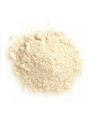
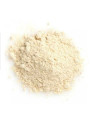
Soy Lecithin suitable for creating Nano-Liposomes, particularly for encapsulation purposes, is often in the form of a fine powder.
Based on our product information, several types of Hydrogenated Lecithin (derived from Soy Lecithin) are available and described as powders suitable for encapsulation:
- Hydrogenated Lecithin (95% Phosphatidylcholine): Described as a fine, light-colored powder.
- Hydrogenated Lecithin (70% Phosphatidylcholine): Also described as a fine, light-colored powder.
- Phosphatidylcholine 90% (from Soy Lecithin, Light Yellow): Described as a light-colored powder or semi-clumping powder.
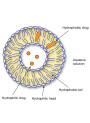
These powder forms are typically used for creating liposomes or for phospholipid encapsulation due to their high purity of Phosphatidylcholine and suitable physical properties.
We also have a Soy Lecithin (Soy Bean Oil, Liquid Lecithin) product, which is a viscous oil. While general lecithin can be used in formulations, the powder forms of Hydrogenated Lecithin are more specifically highlighted for encapsulation techniques like those used for Nano-Liposomes.
Unfortunately, we cannot provide images of the products directly.