Physical Sunscreen Formulation: Separation and Cleansing Issues
Question
I have a physical sunscreen formulation that separates after about 30 minutes. The formula is:
- Zinc Oxide 5%
- Titanium Dioxide 5%
- Cyclomethicone 40%
- Dimethicone 16%
- Silicone Gel 21%
- SiliSolve™ 2%
- Propylene Glycol 9%
- Lipid Soft 2%
- Beige Iron Oxides EasyMix™
I have attached an image showing the separation.
My questions are:
- Is there anything wrong with the proportions in the formula?
- Is it normal for sunscreen to separate like this? I've seen some popular brands like Kiehl's separate, for example.
Additionally, I previously made the same formula without Lipid Soft, and the cream felt dry on the skin. With Lipid Soft added, it leaves a more oily feeling. Is this expected?
Finally, this formula is difficult to wash off and is waterproof. If I use a gentle facial cleanser with the following formula, will it be sufficient to completely wash it off?
- Lauryl Glucoside 5%
- Propylene Glycol 30%
- Glycerin (Vegetable) 30%
- Water (to make up the rest)
Answer
Physical Sunscreen Formulation Issues and Solutions
Regarding the physical sunscreen formula you mixed which separated and was too liquid, here is the explanation and suggested solution:
Is separation normal?
Yes, separation can occur and is considered normal for certain types of physical sunscreens known as "shaking" sunscreens, which require shaking before use. This happens because some liquid ingredients, like Propylene Glycol, may not easily combine with powders like Titanium Dioxide and Zinc Oxide, especially the EasyDisperse™ types designed to combine well with silicones. If you prefer a liquid texture that requires shaking, the current formula type is acceptable.
How to prevent separation and thicken the texture:
If you do not want separation, you can adjust the formula. The staff recommends removing Propylene Glycol and Lipid Soft from your formula. Then, add SiliSilk™ (starting at around 3%) and adjust the remaining ingredients to reach 100%. SiliSilk™ helps absorb silicone oils (like Cyclomethicone and Dimethicone) and prevents them from separating over time. Adding SiliSilk™ will also make the cream texture thicker, addressing your desire for a less liquid consistency.
Oiliness from Lipid Soft:
Lipid Soft is an emollient with a light, oil-like feel. Adding it to a formula that previously didn't contain oils will naturally result in a more oily sensation on the skin compared to the original formula.
Cleansing the formula:
For the cleansing formula using Lauryl Glucoside, Propylene Glycol, and Glycerin (USP/Food Grade), Lauryl Glucoside is capable of washing off silicone. However, whether 5% concentration is sufficient to completely remove the sunscreen depends on factors such as how thickly the sunscreen was applied and the amount of cleanser used.
Summary of suggested formula adjustment:
To prevent separation and increase thickness, try a base formula without Propylene Glycol and Lipid Soft, and incorporate SiliSilk™:
- Zinc Oxide
- Titanium Dioxide
- Cyclomethicone
- Dimethicone
- Silicone Gel
- SiliSolve™
- Beige Iron Oxides EasyMix™
- SiliSilk™ (adjust percentage to achieve desired thickness and stability)
Adjust the percentages of the remaining ingredients to total 100%.
Related Products Mentioned
Propylene Glycol (USP)
Glycerin (USP/Food Grade)
Dimethicone (Medium/350, Low-Odor)
Lauryl Glucoside
Silicone Gel (Ultra Clear, Super Silky)

Zinc Oxide 200nm EasyDisperse™
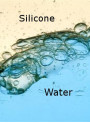
Beige Iron Oxides EasyMix™