Physical Sunscreen Formulation: Separation Issue and Tinting
Question
I am formulating a physical sunscreen. I made some changes to the original formula, specifically increasing the percentage of LipidSoft and decreasing the percentage of Water. After mixing, the product separated after two days. Why did this happen, and how can I fix it? Also, how can I tint the physical sunscreen to match skin tone and reduce the white cast from Titanium Dioxide and Zinc Oxide? What pigments should I use, and how much?
Answer
Sunscreen Formulation Issues and Tinting
Regarding your questions about the physical sunscreen formulation:
1. Sunscreen Separation
The separation you observed after two days is likely due to the changes you made to the formula, specifically increasing the percentage of LipidSoft and decreasing the percentage of Water. Physical sunscreen formulas, especially emulsions like the one you are making, rely on a precise balance of oil phase, water phase, emulsifiers, and stabilizers to maintain stability. By significantly altering the ratio between the oil phase (where LipidSoft resides) and the water phase, you disrupted this balance, causing the emulsion to break and the water to separate out.
To fix this, it is recommended to strictly follow the original formula's percentages for all ingredients, especially LipidSoft and Water. The original formula was designed to be stable. If you need to adjust the texture, do so very gradually and consider consulting the original formula's instructions or adding appropriate stabilizers if necessary, rather than making large changes to the main phase ratios.
2. Tinting Sunscreen to Match Skin Tone
To give your physical sunscreen a color that matches skin tone and reduces the white cast from the physical filters (Titanium Dioxide and Zinc Oxide), you will need to add cosmetic pigments. The standard pigments used for skin tone matching are Iron Oxides.
These typically include:
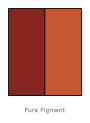
- Iron Oxides Red
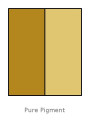
- Iron Oxides Yellow
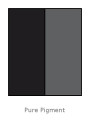
- Iron Oxides Black
By mixing these three colors in different ratios, you can create a wide range of skin tones. You may also find pre-mixed Iron Oxides Brown which is a blend of these colors.
The amount needed will depend on the desired depth of color and the specific pigments used, but generally, the total concentration of iron oxides in a sunscreen for tinting is quite low, often in the range of 0.1% to 1%. You will need to experiment with small batches, adding tiny amounts of each color and mixing thoroughly, until you achieve a shade that closely matches your skin tone.
It is important to ensure the pigments are well-dispersed in the formula to avoid streaks or uneven color. Using coated versions of iron oxides (like those coated with Triethoxycaprylylsilane) can help with easier dispersion in oil or silicone phases.
Start with a small amount of yellow and red, then add tiny amounts of black or brown to adjust the depth and tone until you get the desired match.
Related Products Mentioned
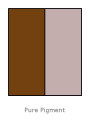
Iron Oxides Brown (non-coated)