Physical Sunscreen Serum Formulation (SPF 50, Lightweight, Waterproof)
Question
I would like a physical sunscreen serum with approximately SPF 50 that is lightweight, easy to spread, fast absorbing, non-greasy, waterproof, moisturizing, oil-controlling all day, non-irritating, and non-acnegenic.
Based on the ingredient list of a reference product:
- Water
- Cyclopentasiloxane
- Cyclotetrasiloxane
- Zinc Oxide
- Titanium Dioxide
- Butylene Glycol
- PEG-10 Dimethicone
- Dimethicone
- C12-15 alkyl benzoate
- Cetyl PEG/PPG-10/1 Dimethicone
- Methicone
- Phenoxyethanol
- Alumina
- HDI/Trimethylol Hexyllactone Crosspolymer
- Octyldodecanol
- Tocopheryl Acetate
- Silica
- PEG-30 Dipolyhydroxystearate
- Octyldodecyl Xyloside
- Sodium chloride
- Disodium EDTA
Is the following formula suitable? Please provide advice and mixing instructions.
DI Water24.70%Cyclopentasiloxane15.00%Cyclotetrasiloxane8.00%Zinc Oxide10.00%Titanium Dioxide 15nm Liquid(Gloss) 10.00%Butylene Glycol5.00%SiliSolve Plus™(ประสานน้ำ-น้ำมัน-ซิลิโคน) 3.00%PMMA Booster(SPF/Color Booster) 5.00%LipidSoft™C1215 2.00%Water-in-Oil EZ™2.00%Phenoxyethanol1.00%Alumina1.00%BB Micro Silk™6.00%Octyldodecanol1.00%Vitamin E (dl-alpha tocopherol)™0.10%PEG-30 Dipolyhydroxystearate2.50%Magnesium Sulfate1.00%LipidSoft™ Moist2.00%Oil-Fix™W 0.50%Beige Iron Oxides EasyMix™0.20%
Answer
Hello, I understand you want to develop a physical sunscreen serum formula with specific properties and have drafted a formula for consideration.
The formula you provided is a good starting point and has the potential to deliver the properties you are looking for.
Comments on the Formula:
- Physical Sunscreen SPF 50: The formula uses Zinc Oxide and Titanium Dioxide, which are physical sunscreens, at a combined level of 20% (10% Zinc Oxide Liquid Nano + 10% Titanium Dioxide 15nm Liquid). This level is appropriate for expecting an SPF value around 50, especially with the inclusion of PMMA Booster, which helps enhance SPF efficacy.
- Lightweight Serum Texture, Easy to Spread, Fast Absorption, Non-Greasy: The silicone group (Cyclopentasiloxane, Cyclotetrasiloxane) and lightweight emollients (LipidSoft™ C1215, Octyldodecanol, LipidSoft™ Moist), as well as the powders (PMMA Booster, BB Micro Silk™, Alumina), will contribute to a lightweight, smooth, easy-to-spread, and non-greasy texture.
- Non-Whitening: Using Nano forms of Zinc Oxide and Titanium Dioxide, along with the inclusion of Alumina, BB Micro Silk, and Beige Iron Oxides EasyMix™, will help minimize the white cast often associated with physical sunscreens.
- Waterproof: The Water-in-Oil emulsifier system (Water-in-Oil EZ™, PEG-30 Dipolyhydroxystearate, Oil-Fix™ W, SiliSolve Plus™) and the silicone components typically help the formula achieve good water resistance.
- Moisturizing, Oil Control: Butylene Glycol and LipidSoft™ Moist provide moisturizing benefits, while PMMA Booster and BB Micro Silk™ (Silica) are powders known for oil absorption/mattifying properties, helping to control shine.
- Non-Irritating or Acnegenic: Physical sunscreens are generally less irritating than some chemical filters. The other ingredients in the formula are commonly used in cosmetics. However, individual skin responses may vary, and testing on a sample group is recommended.
Notes:
- The reference formula included Tocopheryl Acetate and HDI/Trimethylol Hexyllactone Crosspolymer, while your proposed formula uses Vitamin E (dl-alpha tocopherol) and BB Micro Silk™ (Silica). These are slightly different ingredients but serve similar functions in terms of conditioning (Vitamin E) and texture modification/oil control (Silica/Crosspolymer).
Overall, this formula contains suitable ingredients and has the potential to be developed into a physical SPF 50 serum sunscreen with the properties you desire.
Mixing Instructions (for Water-in-Oil Emulsion):
This formula should be prepared as a Water-in-Oil emulsion, which involves preparing the oil/silicone phase and the water phase separately, and then slowly adding the water phase to the oil/silicone phase while using a high-speed mixer.
Phase A (Oil/Silicone Phase):
- In a suitable container, weigh Cyclopentasiloxane, Cyclotetrasiloxane, LipidSoft™ C1215, Octyldodecanol, LipidSoft™ Moist. Mix well.
- Gradually add Zinc Oxide Liquid Nano, Titanium Dioxide 15nm Liquid, PMMA Booster, BB Micro Silk™, Alumina, Beige Iron Oxides EasyMix™ to the silicone/oil mixture. Use a high-speed mixer (such as a Homogenizer or High Shear Mixer) to help disperse the powders and sunscreens thoroughly and ensure no clumps (this step is crucial for SPF efficacy and texture).
- Add Water-in-Oil EZ™, PEG-30 Dipolyhydroxystearate, Oil-Fix™ W. Mix until uniform.
- Add Vitamin E (dl-alpha tocopherol)™. Mix until incorporated.
Phase B (Water Phase):
- In a separate container, weigh DI Water, Butylene Glycol, Magnesium Sulfate, Phenoxyethanol, SiliSolve Plus™. Mix until all water-soluble components are dissolved.
Emulsification Step:
- Start the high-speed mixer (High Shear Mixer) in Phase A.
- Slowly add Phase B to Phase A in a thin stream or dropwise, while the high-speed mixer is running continuously.
- Once all of Phase B has been added, continue mixing with the high-speed mixer for approximately 5-10 minutes, or until a smooth and uniform emulsion is formed.
Final Step:
- Switch to a slower mixer (such as a Paddle Mixer). Continue mixing while cooling the emulsion down to room temperature.
- Check the consistency, smoothness, and color of the product.
Additional Recommendations:
- The dispersion of Zinc Oxide and Titanium Dioxide is key to a successful physical sunscreen formula. Poor dispersion will affect SPF efficacy and can result in a white cast. Ensure you use appropriate equipment for thorough dispersion at this step.
- Using a high-speed mixer during the emulsification step will help create small water droplets dispersed in the oil phase, resulting in a lightweight texture and a stable emulsion.
- This formula is a starting point. It is recommended to make small test batches first and potentially adjust the proportions of some ingredients slightly to achieve the exact desired texture and properties.
- Stability testing of the final product under various conditions is recommended. If you need to confirm the SPF value and water resistance, testing by a certified laboratory is advised.
I hope this advice is helpful!
Related Products Mentioned
Vitamin E (dl-alpha tocopherol)
Phenoxyethanol (Extra Pure)
BB Micro Silk™
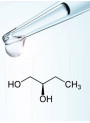
Butylene Glycol
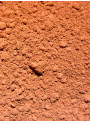
Beige Iron Oxides EasyMix™
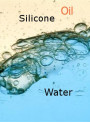
SiliSolve Plus™
Titanium Dioxide 15nm Liquid (Gloss)
Zinc Oxide 35nm Liquid

LipidSoft™ Moist (Triethylhexanoin)

Alumina (5micron, Spherical)