Physical Sunscreen SPF50 PA+++ Formulation and Waterproofing
Asked by: natamon54
On: November 13, 2018
Product Type:
Cosmetics
Answered
Question
I am developing a Physical Sunscreen SPF50 PA+++. I have a few questions regarding the formulation:
- Are the ingredients I plan to use compatible?
- Is my mixing procedure correct? I plan to heat the oil and water phases to around 70°C and then gradually add the water phase into the oil phase while mixing thoroughly. Do I need to measure the pH, or can I adjust it to pH 5.5?
- I am using Titanium Dioxide 15nm Liquid at 25%. What percentage of Zinc Oxide 35nm Liquid should I use to achieve SPF50 PA+++?
- Can I omit Water-in-Oil EZ and use Satin Cream Maker or a gel maker instead? What would be the effect on the formula, specifically regarding waterproofness?
Answer
Answer:
- Are the ingredients compatible? Based on the staff's review and recommendations for the mixing procedure and suitable percentages, the ingredients you listed are compatible and can be used to create a Physical Sunscreen formulation.
- Is the mixing procedure correct? The mixing procedure you described is correct. Heat the oil phase and water phase to similar temperatures (around 70°C), then gradually add the water phase into the oil phase while mixing thoroughly. Regarding the pH measurement step, the staff mentioned it is not strictly necessary as the formula will naturally have a neutral pH. However, if you wish to adjust the pH to 5.5, you can do so by adding a small amount of a mild acid like Citric Acid, Lactic Acid, or Glycolic Acid to the formula.
- What percentage of Zinc Oxide 35nm Liquid should be used? For a formula targeting SPF50 PA+++, the staff recommends using Titanium Dioxide 15nm Liquid at 15% and Zinc Oxide 35nm Liquid at 10%. (Note: Your listed percentage of 25% for Titanium Dioxide might be slightly higher than the recommendation for SPF50 PA+++. You should adjust according to the staff's recommendation of 15% Titanium Dioxide and 10% Zinc Oxide to achieve the appropriate SPF/PA value).
Additionally, regarding the follow-up question from another user about omitting Water-in-Oil EZ and using Satin Cream Maker or a gel maker instead, the staff advised that this is possible, but the resulting formula would be an Oil-in-Water emulsion, which would not be waterproof like the original Water-in-Oil formula.
Please let me know if you have any further questions.
Related Products Mentioned
GlucoBright™ (Acetyl Glucosamine)
Cosmetics
Citric Acid (Monohydrate, Natural)
Cosmetics

Lactic Acid (AHA) 88%
Cosmetics
Digital pH meter (temporary use)
Equipment

Satin Cream Maker™
Cosmetics
Glycopure™ (Glycolic Acid (AHA) Powder)
Cosmetics
Titanium Dioxide 15nm Liquid (Gloss)
Cosmetics
Zinc Oxide 35nm Liquid
Cosmetics
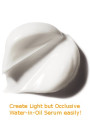
Mild Preserved Eco™ (Preservative-Free)
Cosmetics
Protec™ SQ
Cosmetics