Pineapple and Honey Hand Gel Formulation Guidance
Question
I would like to learn about making a pineapple and honey hand gel for hand nourishment. What ingredients should I use, and in what quantity per use? Should I use raw or cooked pineapple before making it? I tried an experiment once, but it didn't work. At that time, I didn't use Pro Polymer. Now I have it but am hesitant to try, fearing failure because I don't have knowledge in this area. Thank you.
Answer
Pineapple and Honey Hand Gel Formulation Guidance
Creating a hand gel with natural extracts like pineapple and honey is a great idea for skin nourishment. Based on your interest and previous attempt, here is some guidance on formulating such a gel using cosmetic-grade ingredients.
Key Ingredients and Why
Instead of using raw or cooked pineapple fruit directly, which can be unstable and contain enzymes that might break down your gel over time (likely the reason for your previous failure), it is recommended to use a cosmetic-grade Pineapple Enzyme (Bromelain). This provides the beneficial enzymatic exfoliation properties of pineapple in a stable form.
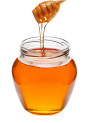
For the honey component, you can use a Honey Extract for its natural scent and marketing appeal. Additionally, Propolis Extract could be a beneficial addition, known for its anti-inflammatory and antibacterial properties, which can be great for hand care.
To create the gel texture, you will need a gelling agent. You mentioned having "Pro Polymer," which is a type of polymer thickener. Other suitable cosmetic gelling agents include:
These ingredients help create the desired gel consistency.
Basic Formulation Example (Illustrative Usage Rates)
A simple gel formulation would typically include:
- Water (Distilled or Deionized): ~80-90%
- Gelling Agent (e.g., Aristoflex AVC, Hydroxyethyl Acrylate/Sodium Acryloyldimethyl Taurate Copolymer, or Carbomer U20): 0.5-2.0% (adjust based on desired thickness)
- Pineapple Enzyme (Bromelain): 1.0-2.5%
- Honey Extract (Water-Dispersible): 0.5-10%
- Propolis Extract (Liquid, Water-Soluble): 0.5-5%
- Preservative: 0.5-1.0% (essential for water-based products)
Optional: Humectants (like Glycerin), other beneficial extracts, fragrance.
Note: These are typical usage rates. Always refer to the supplier's recommended usage rate for specific ingredients.*
Simple Mixing Steps
- Disperse the gelling agent in the water phase according to the supplier's instructions. Some gelling agents like Carbomer U20 may require neutralization with an alkali (like Triethanolamine) to thicken, while others like Aristoflex AVC or Hydroxyethyl Acrylate/Sodium Acryloyldimethyl Taurate Copolymer are easier to use and thicken upon dispersion.
- Once the gel base is formed, gently mix in the Pineapple Enzyme, Honey Extract, Propolis Extract, and Preservative. Avoid high heat when adding the Pineapple Enzyme (keep below 40°C) to maintain its activity.
- Ensure all ingredients are well dispersed.
- Check and adjust the pH if necessary, especially to ensure the stability of the Pineapple Enzyme (pH 5.0-8.0 is recommended).
Why Fresh Fruit Might Not Work
Using raw pineapple fruit directly in a cosmetic gel is challenging because it contains active enzymes that are not stabilized for cosmetic formulations. These enzymes can break down proteins and other ingredients in the gel, leading to liquefaction, instability, and potential skin irritation. Cosmetic-grade extracts and enzymes are processed to be more stable and suitable for topical application.
Using cosmetic ingredients like the recommended gelling agents and extracts will give you much more predictable and stable results for your hand gel formulation. Good luck with your next attempt!
Related Products Mentioned
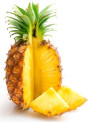
Pineapple Enzyme (Bromelain)
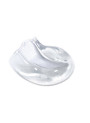
Aristoflex AVC