Polyethylene Glycol (PEG) 1500 vs 4000 and Ceteareth-25 Alternatives for Sunscreen
Question
Regarding the Polyethylene Glycol products available (1500 and 4000), what are the differences between these two substances?
I plan to use them as ingredients in a sunscreen formulation that functions as an O/W emulsifier, effective solubilizer, and wetting agent.
The formula currently uses Ceteareth-25 as a non-ionic emulsifier for O/W emulsion. What substances does the company offer that can be used as an alternative to Ceteareth-25?
Answer
Polyethylene Glycol and Ceteareth-25 Alternatives in Sunscreen
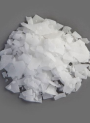
Regarding the Polyethylene Glycols (PEG) 1500 and 4000, the number indicates the average molecular weight. Generally, PEGs with lower molecular weights (like Polyethylene Glycol 400) are liquids and are good solvents, humectants, and plasticizers. As the molecular weight increases, PEGs become solids (like PEG 1500 and 4000 are typically waxy solids) and their melting point and viscosity increase. Higher molecular weight PEGs (like Polyethylene Glycol 10000) are hard solids and are often used as binders or thickeners.
For your sunscreen formulation, PEG 1500 and 4000 can function as wetting agents to help disperse solid particles like UV filters. They can also act as solubilizers for certain ingredients. However, they are not typically used as primary O/W emulsifiers on their own, especially in formulations with a significant oil phase like sunscreen. While they can contribute to emulsion stability, you will likely need a dedicated O/W emulsifier.
You are currently using Ceteareth-25 as a non-ionic O/W emulsifier. If you are looking for alternatives, several non-ionic emulsifiers can perform this function. Some options available include:
- Emulsifying Beeswax (Non-Ionic, Natural): A natural-derived non-ionic emulsifier.
- Olivem 1000 (Cetearyl Olivate, Sorbitan Olivate): A natural-derived, PEG-free O/W emulsifier that creates liquid crystal emulsions.
- SureCream™ (Non-Ionic Cream Maker): A versatile non-ionic emulsifier for creating creams and lotions.
- Emulsifying Wax 1000 (e.q. Emulgade 1000 NI): A common and effective non-ionic emulsifying wax.
- Sucrose Cream Maker™ (e.q. Emulgade Sucro Plus): A natural-derived, PEG-free O/W emulsifier.
- Beheneth-25, Ceteareth-20, Ceteareth-30: These are similar ethoxylated fatty alcohols to Ceteareth-25 and can function as O/W emulsifiers, though their HLB values and optimal usage concentrations may differ slightly.
When choosing an alternative, consider the specific requirements of your sunscreen formula, including the oil phase percentage, desired texture, and compatibility with other ingredients, especially UV filters. It is recommended to perform stability testing when substituting emulsifiers.
Related Products Mentioned
Ceteareth-25
Ceteareth-20 (Flake)
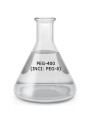
Polyethylene Glycol 400 (PEG-8)
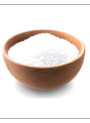
Polyethylene Glycol 10000 (PEG10000)
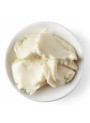
SureCream™ (Non-Ionic Cream Maker)
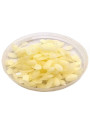
Emulsifying Beeswax (Non-Ionic, Natural)
Ceteareth-20 (Solid Mass)
Beheneth-25