Pomade Formulations: Oil-Based vs. Water-Based
Question
Can you provide information on how to formulate pomade, specifically covering both oil-based and water-based types, including the key ingredients and their functions?
Answer
Pomade Formulations (Oil-Based vs. Water-Based)
Creating pomade involves different ingredients depending on whether you want an oil-based or water-based product. Here's a general overview of the types of ingredients used in each:
Oil-Based Pomade
Oil-based pomades traditionally use a combination of waxes and oils to provide hold and shine. They are known for strong hold and can be restyled, but can be harder to wash out.
- Waxes: Provide structure and hold. Common waxes include Beeswax, Candelilla Wax, and Carnauba Wax.
- Oils: Provide lubrication, shine, and help with spreadability. Examples include Petrolatum, Mineral Oil, Coconut Oil, Shea Butter, or Lanolin.
- Additives: Ingredients for specific properties like fragrance, color, or botanical extracts. For example, Dried rose petals (for oil-based) could be infused into the oil phase for scent or aesthetic.
Water-Based Pomade
Water-based pomades use water as the primary solvent and rely on water-soluble polymers and gelling agents for hold. They are easier to wash out than oil-based pomades.
- Water: The main base of the formulation.
- Gelling Agents/Polymers: Provide hold and viscosity. Examples include PVP, VP/VA Copolymer, Acrylates Copolymer, or ingredients like Polyacrylate-21 (Water Base, Gloss & Flexible) which also adds gloss and flexibility.
- Emulsifiers: Help to mix oils/waxes (if any are used in small amounts) with water.
- Humectants: Help retain moisture, like Glycerin or Propylene Glycol.
- Texture Modifiers/Hardeners: Ingredients like Sodium Stearate (Powder, 1-5% Water) can be used to build texture or harden the formula.
- Preservatives: Necessary to prevent microbial growth in water-containing products.
- Other Additives: Fragrance, color, conditioning agents, etc.
Some products, like Oil-Free Pomade (Natural Hair Styling, Matte), are designed as ready-to-use bases that you can customize by adding fragrance, color, or other desired additives. These often fall into the water-based or hybrid categories.
Remember, developing a stable and effective pomade requires careful selection and balancing of ingredients. The products mentioned above are examples of ingredients or bases that can be used in these types of formulations.
Related Products Mentioned
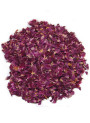
Dried rose petals (for oil-based)