Precipitation and Incompatibility in DIY Skincare Serum with Azelaic Acid and Zinc PCA
Question
I made a DIY skincare formula with the following ingredients:
- Liquid Azelaic™ (Azelaic Acid)
- Zinc PCA
- Safe-B3™ (Niacinamide)
- Acetyl L-Carnitine
- Pure MSM™ (MSM)
- Licorice Extract
After mixing, I observed white particles and sediment forming over time. Additionally, my skin felt oilier after using the formula, even though many ingredients are supposed to control oil. Could you please explain why this is happening and how to fix it? Also, I was considering adding BHA (Salicylic Acid) to the formula. Would this be suitable?
Answer
Review of Your Skincare Formula
Thank you for sharing your formula and the issues you encountered. It's frustrating when a DIY formula doesn't turn out as expected.
Based on your description and the staff's feedback, let's break down what might be happening.
Precipitation Issue
The staff correctly identified the primary cause of the precipitation: an incompatibility between Azelaic Acid (specifically, the water-soluble Potassium azeloyl diglycinate form like Liquid Azelaic™) and Zinc PCA. While both ingredients are water-soluble individually and beneficial for oily, acne-prone skin, combining them in the same formula at these concentrations and pH conditions can lead to the formation of insoluble precipitates. This is why you observed white particles and sediment over time.
To resolve this, you must avoid combining Azelaic Acid and Zinc PCA in the same product. You could choose to use one or the other in your formula, or formulate them into two separate products to be used at different times.
Increased Oiliness Issue
It's surprising that your skin felt oilier, as many ingredients in your formula are known to help reduce oiliness:
- Azelaic Acid (Liquid Azelaic™) controls sebum production.
- Niacinamide (Safe-B3™) reduces sebum excretion.
- Acetyl L-Carnitine controls oil production of the pores.
- MSM (Pure MSM™) controls oil production of sebaceous glands.
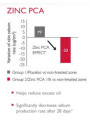
- Zinc PCA reduces oiliness and reduces DHT, a cause of oily skin.
- Licorice Extract also helps reduce oiliness.
Given the precipitation, it's possible the formula's instability affected the efficacy of these oil-controlling ingredients. Additionally, combining multiple potent actives, even those targeting oil, can sometimes disrupt the skin barrier, leading to compensatory oil production. Your skin might be reacting to the combination or concentrations.
Recommendations
- Address the Incompatibility: Reformulate by removing either Azelaic Acid or Zinc PCA. If you want the benefits of both, create two separate serums.
- Simplify if Needed: If your skin reacted with increased oiliness, consider reducing the number of actives initially or slightly lowering the concentration of some oil-controlling/exfoliating ingredients (like Acetyl L-Carnitine or MSM if used at higher rates) in the revised formula to see how your skin responds.
- Consider pH: Ensure the pH of your final formula is appropriate for the ingredients you keep. If you keep Zinc PCA, aim for a pH between 4-6 for optimal solubility and efficacy.
- Hydration Balance: While targeting oil, ensure the formula provides adequate hydration. Ingredients like Niacinamide and N-Acetyl Glucosamine help with hydration and barrier support, which is good. Sometimes, a simple lightweight emollient can help balance oil production if the skin feels stripped.
Should you use BHA?
Your current formula contains several ingredients with exfoliating properties (Azelaic Acid, Acetyl L-Carnitine, potentially MSM). Adding BHA (like Salicylic Acid) would provide further exfoliation, particularly within pores, which is excellent for clogged pores and oiliness. However, since you experienced increased oiliness and potential irritation with the current mix, adding BHA might overwhelm your skin. It's best to first stabilize your formula by fixing the incompatibility issue and see how your skin responds to the revised formula. If you still have significant clogged pores after using a stable formula for a while, you could cautiously introduce a separate BHA product at a low concentration, observing your skin for any signs of irritation or increased oiliness.
Focus on creating a stable, non-precipitating formula first, then assess your skin's needs before adding more actives like BHA.
Related Products Mentioned
Safe-B3™ (Vitamin B3, Niacinamide)
GlucoBright™ (Acetyl Glucosamine)
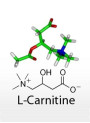
L-Carnitine (Carnitine)

Pure MSM™ (Methylsulfonylmethane)