Precipitation Issue with French Pine Bark and Pro Polymer in Formulation
Question
I'm experiencing precipitation of French Pine Bark Extract in my formulation when adding Pro Polymer.
My formula contains:
- French Pine Bark
- Pro Polymer
- Vitamin B6 (Pyridoxine Hydrochloride)
- Aloe Vera Extract
- Disodium EDTA
- Vitamin B3
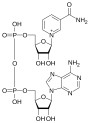
- NAD+
- Allantoin
- Phenoxyethanol
- ODA White (added later)
I suspect the French Pine Bark might be incompatible with Pro Polymer, causing it to precipitate as small pieces. Is this interaction expected, or could another ingredient in the formula be causing this issue?
Answer
Formulation Issue: French Pine Bark Precipitation with Pro Polymer
It appears you are experiencing precipitation of the French Pine Bark Extract when adding Pro Polymer to your formulation. This is a common challenge in cosmetic formulations when combining certain ingredients.
The likely cause of this precipitation is the interaction between the French Pine Bark Extract and the Pro Polymer gel matrix, primarily influenced by the presence of electrolytes and the overall pH of the solution.
Several ingredients in your formula are electrolytes, including:
- Vitamin B6 (Pyridoxine Hydrochloride)
- Aloe Vera Extract
- Disodium EDTA
While Pro Polymer has good electrolyte resistance, high concentrations of multiple electrolytes can still affect its ability to form and maintain a stable gel structure. This can lead to incompatibility with other ingredients, such as the water-soluble French Pine Bark Extract, causing it to precipitate out of the solution.
Additionally, Vitamin B6 has a low pH (2-3) and is only stable in a pH range of 2-6. The pH of the solution when Pro Polymer is added is crucial for proper gel formation. If the pH is too low due to ingredients like Vitamin B6, it can interfere with the hydration and swelling of the Pro Polymer, contributing to instability and precipitation.
The high total concentration of active ingredients and electrolytes in your formula (over 30%) could also be a contributing factor, potentially exceeding the capacity of 1.5% Pro Polymer to maintain a stable system.
Recommendations to address the precipitation:
- Adjust the Mixing Order: Ensure the Pro Polymer is properly hydrated and the gel structure is fully formed in the water phase before adding ingredients that are electrolytes or have a low pH, such as Vitamin B6, Aloe Vera Extract, and Disodium EDTA. A suggested order could be: Water + Disodium EDTA -> Pro Polymer (mix and allow to hydrate fully) -> Aloe Vera Extract -> Vitamin B3 -> NAD+ -> Allantoin -> Vitamin B6 -> Phenoxyethanol.
- Check and Adjust pH: Monitor and adjust the pH of the water phase before adding sensitive ingredients. Ensure the pH is within the optimal range for Pro Polymer gel formation and the stability range of Vitamin B6 (below 6). You may need to adjust the pH upwards slightly after adding Vitamin B6 if it significantly lowers the pH.
- Consider Pro Polymer Concentration: Given the high concentration of electrolytes and active ingredients, you might need to increase the concentration of Pro Polymer (e.g., to 2-3%) to achieve better stability, as suggested in the Pro Polymer description for formulas with high electrolyte content.
The ODA White, being an oil-soluble ingredient typically added at the end to an emulsified base, is unlikely to be the cause of the precipitation observed before its addition.
By carefully adjusting the mixing procedure, monitoring pH, and potentially increasing the gel maker concentration, you should be able to create a more stable formulation and prevent the French Pine Bark Extract from precipitating.
Related Products Mentioned
Safe-B3™ (Vitamin B3, Niacinamide)

Allantoin
Phenoxyethanol (Extra Pure)
Disodium EDTA
Pro Polymer™ (Gel Maker)
Vitamin B6 (Pyridoxine Hydrochloride)

Purified Water, TDS Limit 1PPM)