Premium Velvet Matte Lipstick Formulation
Question
I would like to formulate a premium matte lipstick with a velvet, non-drying texture. I have a specific color blend I want to use, with the following ratio:
- Bright Red: 24%
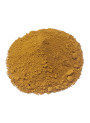
- Yellow012: 7.5%
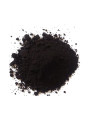
- Black: 2%
- Trans.Wt.: 66.5%
Could you advise on how to incorporate this color blend into a lipstick base and achieve the desired texture?
Answer
Premium Velvet Matte Lipstick Formulation
Creating a premium matte lipstick with a velvet, non-drying texture and a specific color requires understanding the basic components of lipstick and selecting appropriate pigments.
Generally, a matte lipstick base consists of the following main ingredients:
- Waxes: Provide structure, hardness, and determine the melting point (e.g., Candelilla wax, Carnauba wax, Beeswax, Synthetic waxes).
- Oils/Emollients: Provide slip, comfort on the lips, and help disperse pigments. The choice and ratio of emollients are crucial for preventing dryness and achieving a smooth feel.
- Fillers/Mattifying Agents: Provide the matte finish and can improve texture (e.g., Silica, Kaolin, or other powders).
- Pigments/Colorants: Provide the color. These are typically dispersed in a portion of the oil phase before being incorporated into the main base.
For the color blend you provided (24% Bright Red, 7.5% Yellow012, 2% Black, 66.5% Trans.Wt.) These percentages represent the ratio within the color portion, not the percentage in the final lipstick formula.
To incorporate this color blend, you will need to:
- Identify the Pigments: Find the specific pigments corresponding to "Bright Red", "Yellow012", "Black", and "Trans.Wt." (which likely refers to Titanium Dioxide, a white pigment used for opacity).
- Select Base-Compatible Pigments: Since most lipsticks are oil/wax-based, you must use pigments that can disperse well in oil (Oil-dispersible pigments) or are pre-dispersed in an oil base. Some powder pigments may require special dispersion techniques, or you can choose surface-treated pigments that are more compatible with oil bases.
Based on the search results, some potentially relevant pigments include:
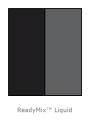
- For Black: ReadyMix™ Iron Oxides Black is a black pigment pre-dispersed in an oil base, suitable for lipstick. SI-2 BLACK BL-100 is another pigment from Daito Kasei, a manufacturer known for surface-treated pigments that are often compatible with various bases.
- For Yellow: SI-2 Yellow LLXLO is a pigment from Daito Kasei, likely a surface-treated pigment.
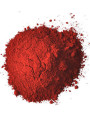
- For Red: Acid Red 52 was found in the search, but Acid Dyes are typically water-soluble and may not be suitable for an oil/wax lipstick base. You will need to find an oil-dispersible red pigment.
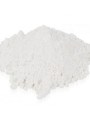
- For Trans.Wt. (Titanium Dioxide): Titanium Dioxide Pigment (e.g., 250nm or 300nm) is a white pigment used for opacity. However, some descriptions indicate dispersion in water, which may not be ideal for a direct oil base. You will need to find a cosmetic grade Titanium Dioxide that is suitable for oil bases or is available as an oil dispersion.
Steps for Incorporating the Color Blend into a Lipstick Base:
- Weigh the Pigments: Weigh the "Bright Red", "Yellow012", "Black", and "Trans.Wt." pigments according to your desired ratio (24%, 7.5%, 2%, 66.5%) to get the total weight of your "color blend".
- Disperse the Pigments: Mix and thoroughly disperse the weighed color blend in a small portion of the oil or emollient from your lipstick base formula. This step is crucial for achieving a smooth, lump-free color.
- Combine with Base: Add the dispersed pigment mixture to your melted lipstick base ingredients (waxes, remaining oils, fillers, etc.). Mix well until the color is uniformly distributed.
- Pour into Molds: Pour the hot lipstick mixture into molds and let it cool and solidify.
The total amount of the "color blend" used in the final lipstick formula will depend on the desired color intensity and opacity. Typically, the total pigment concentration in a lipstick can range from 5-15% of the total formula, but this can vary widely.
Achieving the desired velvet, non-drying texture depends on carefully balancing the ingredients in the lipstick base, particularly the type and amount of oils, waxes, and mattifying agents. Experimentation with the base formula is necessary to achieve the desired feel.
When formulating lipstick, always ensure that the pigments used are approved for cosmetic use on the lips and are compatible with your base formula (oil/wax-based in this case).