Preservation and pH Measurement in Pressed Powder Formulation
Question
Regarding the addition of preservatives in a pressed powder formulation:
After mixing mica powder with other powders, how can I make the finished powder last longer and prevent it from spoiling easily?
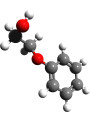
I added a powder preservative, specifically `Phenonip P4`, and also `Sodium Hydroxide`. How can I measure the pH value since it is a powder?
Answer
Preserving Pressed Powder Formulations
Pressed powder formulations, such as face powder, are generally less susceptible to microbial growth compared to liquid or cream products because they contain very little to no water. Microorganisms require water to survive and multiply.
However, contamination can still occur during use, for example, through contact with brushes, sponges, or fingers, or if the product is exposed to moisture.
Preservatives in Powder
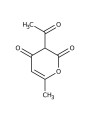
Adding preservatives to a dry powder formulation is different from adding them to a liquid. Many common liquid preservatives, like Phenonip (which is typically a liquid blend), are not suitable for dry powders. Powder formulations that require preservation, often due to ingredients that might support microbial growth or concerns about user contamination, typically use preservatives specifically designed for anhydrous or low-water systems. An example of a powder preservative is Dehydroacetic Acid.
Sodium Hydroxide is a pH adjuster used in liquid formulations to increase alkalinity. It is not used as a preservative in powder and is not relevant for a dry powder system.
Measuring pH of Powder
Measuring the pH value is done in aqueous (water-based) solutions. Dry powders do not have a pH in the same way liquids do. If you need to determine the pH characteristics of a powder ingredient or a powder mixture, you would typically prepare a dispersion or solution of the powder in purified water and then measure the pH of that liquid using a pH meter or pH strips.
Extending Shelf Life
To help your pressed powder last longer and prevent spoilage, focus on good manufacturing practices and preventing contamination during use:
- Ensure all equipment and containers are clean and sanitized.
- Use high-quality, low-microbe-count raw materials.
- Store the finished product in a cool, dry place away from direct sunlight and humidity.
- Advise users to use clean applicators and avoid introducing moisture into the product.
Related Products Mentioned
Sodium Hydroxide
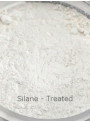
Mica Powder (9 Micron, Silane Coated)