Preservative and Stability Advice for Homemade Formulations
Asked by: sarananja
On: May 31, 2017
Product Type:
Cosmetics
Answered
Question
I would like advice on preservatives and stability for three specific homemade cosmetic formulations:
- Jojoba oil infusion with turmeric powder: Is a preservative needed? Which one is suitable?
- Hand cream: Made from Shea Butter, Cocoa Butter, and Jojoba Oil. Is a preservative needed for this oil-based formula?
- Toner: Made from Centella Asiatica powder extract. I observed that it spoils quickly (5-7 days) even when refrigerated. Which preservative should be used for this water-based product with a natural extract?
Answer
Preservative Recommendations for Homemade Formulations
It's important to understand that the need for a preservative primarily depends on the presence of water in the formula and the potential for microbial contamination from ingredients, especially natural ones. Preservatives protect against the growth of bacteria, yeast, and mold, which can spoil the product and be harmful. Antioxidants, like Vitamin E, protect oils from going rancid (oxidation) but do not prevent microbial growth.
1. Jojoba Oil Infusion with Turmeric Powder
- Analysis: This is an oil-based system, but the addition of natural turmeric powder introduces a risk of microbial contamination, including yeast, as you mentioned. Pure oils generally don't need preservatives for microbial growth, but the powder can carry water and microbes.
- Recommendation: To prevent microbial growth from the turmeric powder, you should use a broad-spectrum preservative suitable for oil-based or low-water content formulas.
- Phenoxyethanol SA (Optiphen Plus) is a suitable broad-spectrum preservative that can work in systems with a low water phase.
- Mixing Step: Add the preservative to the filtered oil after the infusion and settling process is complete. Ensure the temperature of the oil is below 60°C when adding Phenoxyethanol SA.
- Shelf Life: Without a suitable preservative and proper sterilization of the turmeric powder, the shelf life will be very short due to potential microbial growth. With a preservative like Phenoxyethanol SA used at the recommended rate (typically 0.5-1.25%), the shelf life can be extended, but the exact duration depends on the cleanliness of the raw materials and the preparation process.
2. Shea Butter, Cocoa Butter, and Jojoba Oil Hand Cream
- Analysis: This formulation consists entirely of oils and butters (fats) and does not contain water. Water-free formulations generally do not require preservatives to prevent microbial growth.
- Recommendation: You do not need a preservative for microbial protection in this formula as long as no water is introduced during preparation or use. However, oils and butters can go rancid over time (oxidation). To extend the shelf life against rancidity, you can add an antioxidant.
- Vitamin E (dl-alpha tocopherol) or Vitamin E (Tocopheryl Acetate) are common antioxidants for oils.
- Mixing Step: Add the antioxidant to the melted oil/butter mixture. For Vitamin E (dl-alpha tocopherol), avoid high heat; if heating is necessary, keep it below 50°C for a short time. For Vitamin E (Tocopheryl Acetate), mix with other oils and avoid heating for more than 5 minutes.
- Shelf Life: Microbial spoilage is unlikely in this water-free formula. The shelf life will primarily depend on the stability of the oils and butters against oxidation. Adding an antioxidant will help extend this.
3. Toner from Centella Asiatica Powder Extract
- Analysis: A toner is a water-based product. Any product containing water requires a broad-spectrum preservative to prevent the growth of bacteria, yeast, and mold. Natural extracts, especially in powder form, can introduce microbes into the product, leading to spoilage if not properly preserved. The staff's response confirms that natural ingredients not properly sterilized pose a risk.
- Recommendation: A broad-spectrum preservative is essential for this water-based toner to prevent microbial growth and extend its shelf life.
- Phenoxyethanol SA (Optiphen Plus) or Mild Preserved Eco are suitable broad-spectrum preservatives for water-based formulas.
- Mixing Step: Add the chosen preservative in the final step after the toner has been prepared and cooled. Ensure the temperature and pH of the toner are within the recommended range for the specific preservative (e.g., below 60°C and pH 2.0-6.0 for Phenoxyethanol SA; pH 4-9 for Mild Preserved Eco).
- Shelf Life & Storage: Without a preservative, the shelf life is very short (as you observed, 5-7 days even with refrigeration). With a suitable broad-spectrum preservative used at the correct rate, the shelf life can be significantly extended (typically 1-2 years) at room temperature. Refrigeration can provide additional stability but is not a substitute for proper preservation in a water-based product.
Related Products Mentioned
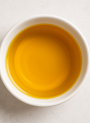
Jojoba Oil (Golden - Deodorized)
Cosmetics
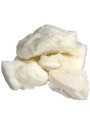
Shea Butter (Refined , Deodorised)
Cosmetics

Phenoxyethanol SA (eq. Optiphen Plus)
Cosmetics
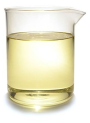
Vitamin E (Tocopheryl Acetate)
Cosmetics
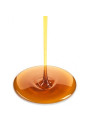
Vitamin E (dl-alpha tocopherol)
Cosmetics


Mild Preserved Eco™ (Preservative-Free)
Cosmetics

Cocoa Butter Replacer (Quick-Melt)
Cosmetics