Preservative Solubility Calculation and Alternatives for Sensitive Skin
Question
In a formula containing 70% water, how is the solubility limit (e.g., 1% in water) for a preservative like Phenoxyethanol SA calculated? Is it based on the total weight of the formula or the weight of the water phase?
I have used Phenoxyethanol SA at 0.5% in a formula and experienced a burning sensation. Can you recommend alternative preservatives that are easy to use, have fewer usage restrictions, and are milder, such as 1,2-Hexanediol or Mild Preserved (Ethylhexylglycerin + Caprylyl Glycol)?
Answer
Understanding Preservative Solubility and Alternatives
Regarding the solubility of Phenoxyethanol SA (Optiphen Plus):
- The solubility limit (e.g., 1% in water) refers to the maximum amount that can dissolve in that specific phase (water or oil), not the total weight of your formula.
- If your formula contains 70% water, the maximum amount of Phenoxyethanol SA that can dissolve in the water phase is 1% of that 70%, which equals 0.7% of the total formula weight.
- As suggested, you can also try adding the preservative at the final step after your cream is formed. This allows it to disperse throughout the formula rather than needing to be fully dissolved in a specific phase beforehand, which can make incorporation easier.
Experiencing a warm or burning sensation with Phenoxyethanol-based preservatives can occur for some individuals. Since you experienced this even at a reduced concentration of 0.5%, you may need to consider alternative preservatives.
Alternative preservatives that are generally considered milder and might be suitable include:
- 1,2-Hexanediol: Can be used at around 3% in the formula. It also offers moisturizing benefits and can act as a preservative booster.
- Mild Preserved: This is a blend containing Ethylhexylglycerin and Caprylyl Glycol. It is typically used at 1% and is known for its gentleness.
These alternatives are often easier to incorporate and have fewer usage restrictions compared to Phenoxyethanol SA, but they may be more expensive.
Related Products Mentioned
Ethylhexylglycerin
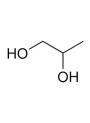
Caprylyl Glycol (1,2-Octanediol)