Preserving Homemade Herbal Shampoo with Natural Extracts and Challenge Testing
Question
I am making a shampoo using fresh herbal extracts such as kaffir lime, butterfly pea, and ginger. I am using Mild Preserved Eco at 1-2% as a preservative. Is this amount sufficient to preserve the shampoo, considering the variable microbial load from the fresh extracts in each production batch? If not, what alternative preservatives or methods should I consider to ensure effective and consistent preservation?
Answer
Preserving Homemade Herbal Shampoo
Preserving homemade shampoo made with natural herbal extracts like kaffir lime, butterfly pea, and ginger can be challenging, as the microbial load from these fresh ingredients can vary significantly between batches. As the staff mentioned, this makes it difficult to guarantee preservation effectiveness with a fixed amount of preservative.
Mild Preserved Eco™ (and similar products like Mild Preserved CGZ™ and Mild Preserved SC10™) are often used at 1-2% in cosmetic formulations. While they are effective broad-spectrum preservatives, the high and variable microbial content in unprocessed natural extracts might require higher concentrations or a combination of preservatives to achieve adequate and consistent preservation.
If Mild Preserved Eco™ at 1% or 2% is not sufficient, or if you are looking for alternative mild or natural-like options, here are a few broad-spectrum preservatives that could be considered, based on their descriptions:
- NaturePreserve™ Ultra: This is a 100% natural preservative blend (Gluconolactone & Sodium Benzoate) effective against bacteria, fungi, and yeast. It is used at 0.75-2.0% and works in a pH range of 3-6. It is heat tolerant.
- PaeoniaPreserve™: A natural preservative derived from Paeonia root extract. It is effective against various microbes and can be used alone at 2% or with other preservatives at 0.5-1.0%. Avoid heat above 60°C during mixing.
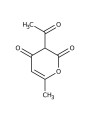
- Global Guard™ 221: A natural, water-soluble broad-spectrum preservative (Dehydroacetic Acid & Benzyl Alcohol & Water) effective in a pH range of 2-7. It is typically used at 0.5-1.1%. It should be added when the formula temperature is below 45°C.
- Coco-Preserve™: A natural origin preservative from coconut extract. It is water-soluble and broad-spectrum, effective in a pH range of 4-8. Usage rate is typically 1-2%. Avoid heat above 50°C.
- NaturePreserve™ LB2: Another natural origin, water-soluble, broad-spectrum option effective at lower pH values (2.0-6.5). Recommended usage is 0.5-1.0%. Avoid heat above 50°C.
While Dehydroacetic Acid is a natural preservative effective against yeast and molds, it is not strong against bacteria and would likely need to be combined with another antibacterial agent for effective preservation of a herbal extract-based product.
Important Considerations:
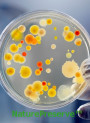
Due to the variability of microbial contamination in homemade herbal extracts, it is crucial to perform a challenge test on your specific shampoo formulation. A challenge test involves intentionally introducing microbes to your product to see if the preservative system can effectively eliminate or inhibit their growth over time. This is the only reliable way to determine the correct type and concentration of preservative needed for your formula and to confirm its actual shelf life (whether it can last up to a year or more).
Without a challenge test, it is impossible to definitively say which preservative or concentration will be sufficient or how long your product will remain stable and safe.
Related Products Mentioned
Mild Preserved Eco™ (Preservative-Free)

PaeoniaPreserve™ (Natural Preservative)
Mild Preserved SC10™ (Preservative-Free)
Global Guard™ 221 (pH 2-7, Natural)