Pressed Powder Formulation: Issues with Binders and Solvents
Asked by: sornplod
On: July 06, 2016
Product Type:
Cosmetics
Answered
Question
I am trying to create a pressed powder product, similar to eyeshadow. I have encountered issues with the binders.
- I tried using Glycerin, but it didn't bind the powder.
- I tried using Dimethicone, but using too much (more than 10-15% of the total powder weight) resulted in a liquid texture, like a lipstick.
- I also tried using Isododecane, and the resulting product became very hard after it evaporated.
Could you please provide guidance on:
- What are suitable binders for pressed powder formulations?
- What is a recommended general formula structure and ratio for pressed powder using appropriate binders (e.g., Dimethicone Light, LipidSoft CC, LipidSoft Palm, LipidSoft Moist)?
- What is the difference between Isododecane and Butylene Glycol, and are they interchangeable or suitable for this type of formulation?
Answer
Based on the conversation:
- Brown Eyeshadow Color: To get a brown color, you can mix red and green colors from the EasyMix range.
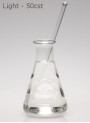
- Glycerin vs. Dimethicone/Binders: Glycerin is not suitable for pressed powder formulations as it does not function as a binder to hold the powder together or help it adhere to the skin. Dimethicone (specifically lighter grades like Dimethicone Light) and certain LipidSoft types (like LipidSoft CC, LipidSoft Palm, LipidSoft Moist) are suitable binders for pressed powder.
- Issues with Dimethicone and Isododecane:
- Using too much Dimethicone (more than the recommended 10-15% of the total powder weight) will result in a liquid texture, as you experienced.
- Isododecane is a solvent/volatile carrier, not a binder. While it can be used in some makeup formulations, using it as the primary liquid component for pressing powder will likely result in a very hard product after it evaporates, making it difficult to pick up color. The staff's recommended structure uses a non-volatile binder.
- Recommended Pressed Powder Formula Structure: The general structure recommended by staff is:
- Binder (e.g., Dimethicone Light, LipidSoft CC, LipidSoft Palm, LipidSoft Moist): 10-15%
- Powders (Mineral powder base, colors, Mica, Sericite, Talc, Titanium Dioxide, etc.): 85-90%
Mix the powders thoroughly first, then gradually add the binder (10-15% of the total powder weight), mixing well to disperse it before pressing. Using a lighter grade of Dimethicone is recommended for easier processing and a better texture.
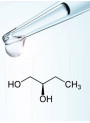
- Isodododecane vs. Butylene Glycol: Isododecane and Butylene Glycol are completely different types of ingredients and are not interchangeable. Isodododecane is a non-polar, volatile solvent often used in long-wearing or anhydrous formulations. Butylene Glycol is a polar humectant and solvent typically used in water-based formulations. Their suitability depends entirely on the specific formula type and desired properties.
Related Products Mentioned
Glycerin (USP/Food Grade)
Cosmetics
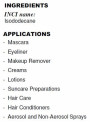
Isododecane (Germany)
Cosmetics
Talc Powder (5 Micron, Methicone Coated)
Cosmetics
Butylene Glycol
Cosmetics
LipidSoft™ CC (Cetyl Ethylhexanoate)
Cosmetics
Dimethicone (Light/50, Low-Odor)
Cosmetics
LipidSoft™ Palm (Ethylhexyl palmitate)
Cosmetics
LipidSoft™ Moist (Triethylhexanoin)
Cosmetics