Preventing Cream Discoloration and Separation at High Temperatures
Question
I store cream in a room with an average temperature of around 30-35 degrees Celsius during the day. The packaging is a clear bottle, but it is not exposed to direct sunlight, only artificial light from lamps. After two weeks or more, the cream starts to darken in color in all formulations I've mixed, and some formulations also experience separation.
Is there any ingredient that can slow down the darkening of the cream's color?
Answer
Formulation Advice for Cream Discoloration and Separation
The issue of your cream formulations darkening in color and separating after about two weeks when stored at 30-35°C, even under artificial light, is likely due to ingredient degradation caused by oxidation and instability of the emulsion at elevated temperatures.
Adding antioxidants to your formulas can help slow down or prevent the color change caused by oxidation. Furthermore, selecting appropriate emulsifiers that are stable at high temperatures and improving the manufacturing process to ensure better cream stability will help reduce the separation issue.
For antioxidants that help prevent color change in cream formulations, several types are worth considering, such as:
- Protec™ OX: This is a highly effective antioxidant that helps protect ingredients in the formula from degradation caused by free radicals or oxidation. It is suitable for formulas containing ingredients that degrade easily, such as Vitamin C or Vitamin A.
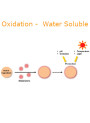
- ActiveProtec™ OX: This is a high-performance antioxidant that is readily soluble in water. It helps prevent the formation of free radicals (Oxidation) and has been tested to effectively prevent discoloration in formulas, especially those prone to color change.
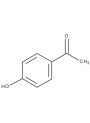
- Hydroxyacetophenone: This is an antioxidant that helps maintain the quality of ingredients in the formula, preventing them from degrading.
Choosing an antioxidant that is compatible with other ingredients in your formula and using it at the recommended concentration will help extend the shelf life and maintain the quality of your cream. Additionally, other factors affecting formula stability should be considered, such as the formula's pH and the type of packaging (even clear bottles not exposed to direct sunlight can still allow artificial light to trigger certain reactions).