Preventing Lip Gloss Feathering with Ethylcellulose and Natural Alternatives

Asked by: Anonymous On: April 20, 2026 Product Type: Cosmetics Answered

Question

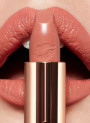
Can this product help prevent feathering in a lip gloss? Or do you have any other suggestions? Natural/natural origin.

Answer

Ethylcellulose (20 cps.) and Lip Gloss Feathering

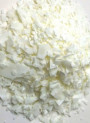
Ethylcellulose (20 cps.) can indeed help prevent feathering in lip gloss formulations. Feathering occurs when the liquid oils in the gloss migrate into the fine lines and micro-channels around the lips via capillary action. To stop this, a formulator must increase the "yield stress" of the oil phase—essentially making the oil stay put until it is intentionally moved (like when you press your lips together).

How it works:

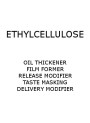
  • Film Formation: It creates a flexible, oil-soluble film that helps "seal" the color and oils on the lip surface.
  • Oil Structuring: It acts as an oleogelator, turning liquid oils into a structured gel network. This immobilization significantly reduces the ability of "free" oils to bleed out of the formula.
  • Processing Note: To be effective, it must be fully dissolved in polar oils by heating to 70-85°C. If not properly solvated, it may result in a grainy texture rather than a smooth, anti-feathering barrier.

Natural and Natural-Origin Suggestions

While Ethylcellulose is derived from cellulose, it is chemically modified (etherified). If you are looking for strictly natural or natural-origin alternatives that provide superior anti-feathering properties, consider these options:

1. Natural Oil Gellants (Dextrin Palmitate)
These are among the most effective natural-origin ingredients for creating clear, stable lip gloss gels. They provide a "thixotropic" effect—the gloss flows easily during application but sets quickly once on the lips to prevent migration.

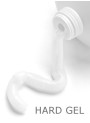
  • Oil Thick™ Hard: Best for creating a firm structure.
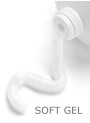
  • Oil Thick™ Soft: Provides a softer, more elastic gel.
  • Oil Thick™ Transparent: Ideal for maintaining high clarity in clear glosses.
  • Oil Thick™ Thixotropic: Specifically designed for high-recovery viscosity.

2. Crystalline Network Builders

  • Hydrogenated Castor Oil: A natural wax that forms a fine crystalline network. It is excellent at trapping liquid oils and preventing "oil bleed" on the skin.
  • Hydrogenated Castor Oil Dimer Dilinoleate: A natural-origin film former that provides high shine and excellent adhesion, helping the gloss stay within the lip borders.

3. Formulation Tips for Anti-Feathering:

  • Use Viscous Base Oils: Incorporate Castor Oil (Ricinus Communis Seed Oil). It is naturally viscous and polar, which helps it stay in place better than light, dry esters.
  • Combine Waxes: Use a blend of natural waxes (like Candelilla or Beeswax) to create a more robust structure than a single wax could provide.

Related Categories

For further exploration of ingredients that improve lip gloss performance, you may browse:

  • Cosmetics > Make-Up > Lip Stick / Lip Balm > Film Former (Lip)
  • Cosmetics > Base / Emulsifier > Thickener / Gel-Maker > Oil Gel > Sugar, Amino Acids Derived

Relevant References

Sources supporting the key technical claims in this answer

Liquid transport in the networked microchannels of the skin surface
2003

Dussaud, A., Adler, M., & Lips, A. (2003). Liquid transport in the networked microchannels of the skin surface. Langmuir, 19(18), 7341-7345.

DOI: 10.1021/la034235a
Study of Organogel Formed from Dextrin Fatty Acid Esters and Liquid Paraffin
2016

Ban, A., et al. (2016). Study of Organogel Formed from Dextrin Fatty Acid Esters and Liquid Paraffin. Journal of Society of Cosmetic Chemists of Japan, 50(3), 194-201.

DOI: 10.5107/sccj.50.194
Strategy for the Development of a New Lipstick Formula
2021

Rigano, L., & Montoli, C. (2021). Strategy for the Development of a New Lipstick Formula. Cosmetics, 8(4), 105.
DOI: 10.3390/cosmetics8040105