Preventing Mold in Edible Xanthan Gum Gel
Question
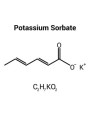
I am making an edible gel using 2% Xanthan Gum, 0.05% Sodium Benzoate, and 0.05% Potassium Sorbate as preservatives. After one month, black bacteria or mold appeared on the surface of the gel. Which preservative should be used with Xanthan Gum to achieve better efficacy and the longest possible shelf life (to prevent black mold), specifically for an edible gel?
Answer
Preventing Mold in Edible Xanthan Gum Gel
Based on the information you provided and general formulation principles for edible gels, the issue with mold or bacterial growth in your Xanthan Gum gel is likely related to the effectiveness of the preservatives you are using.
Sodium Benzoate and Potassium Sorbate are effective food preservatives, but their activity is highly dependent on the pH of the product. They work best in acidic environments, typically at a pH of 5.0 or lower. If your gel has a pH higher than 5.0, these preservatives will be significantly less effective at preventing microbial growth, including mold and bacteria.
To improve the shelf life and prevent the black mold/bacteria you observed, consider the following:
- Check and Adjust pH: Measure the pH of your finished gel. If it is above 5.0, you will need to lower it. You can use a food-grade acid like Citric Acid or Lactic Acid to adjust the pH into the effective range (pH 5.0 or below) for Sodium Benzoate and Potassium Sorbate.
- Review Preservative Concentration: While 0.05% of each is a starting point, the required concentration can vary depending on the specific ingredients in your formulation, the water activity, and the desired shelf life. Ensure the total concentration of preservatives is adequate and within the regulatory limits for edible products in your region. You might consider increasing the concentration slightly, while still adhering to guidelines.
- Good Manufacturing Practices: Ensure all your equipment, containers, and ingredients are clean and sanitized to prevent introducing microbes during the preparation process.
Xanthan Gum itself is a natural product and can support microbial growth if not properly preserved. The key is to ensure the preservation system you use is effective in the final formulation's environment (especially pH). Sodium Benzoate and Potassium Sorbate are suitable for edible products when used correctly within their effective pH range. There isn't one single "best" preservative for Xanthan Gum; rather, the best system depends on the overall formulation and its characteristics, particularly pH.
By adjusting the pH of your gel to be acidic (pH 5.0 or lower) and ensuring adequate preservative concentration, you should significantly improve the microbial stability and extend the shelf life of your edible Xanthan Gum gel.