Preventing Rancidity and Wax Ratio in Lip Balm
Question
What ingredients and ratios are recommended to prevent rancidity in lip balm (comparing ROE + Vitamin E vs. Mild Preserved Eco), and what is a suitable ratio for mixing Beeswax and Rice Bran Wax to achieve the desired texture?
Answer
Selecting Ingredients to Prevent Rancidity and Wax Ratio in Lip Balm
Regarding your questions about preventing rancidity in lip balm and mixing waxes, here are the recommendations:
1. Using Ingredients to Prevent Rancidity
Lip balm is a product primarily composed of oils, which can undergo oxidation, leading to rancidity and unpleasant odors. The substances that help prevent this issue are Antioxidants.
- Rosemary Oleoresin Extract (ROE) and Vitamin E are effective antioxidants for preventing oil rancidity.
- Rosemary Oleoresin Extract (ROE) is highly effective as an antioxidant, especially when used in combination with Vitamin E. The recommended usage rate is 0.02% - 0.1%. Using higher amounts may result in a darker product color and a noticeable rosemary scent.
- Vitamin E (such as Tocopheryl Acetate or dl-alpha tocopherol) is also an antioxidant. Using it together with ROE enhances the protection against oxidation. If you also want Vitamin E to provide skin benefits, a higher usage rate can be used.
- Mild Preserved Eco is a preservative designed to prevent the growth of microorganisms (bacteria, mold, yeast). Generally, lip balm is an anhydrous product (contains no water), meaning it is not susceptible to microbial contamination. Therefore, Mild Preserved Eco is not suitable for preventing rancidity (oxidation) in lip balm.
Conclusion for Question 1: You should use Rosemary Oleoresin Extract (ROE) in combination with Vitamin E to prevent rancidity in lip balm. Mild Preserved Eco is not suitable for this purpose in a water-free formula.
2. Ratio of Beeswax to Rice Bran Wax
Mixing different types of waxes in a lip balm formula is common practice to achieve the desired texture and hardness.
- Beeswax is a natural wax with a relatively low melting point (around 62-63°C). It provides a soft texture and acts as an emollient, helping to moisturize the skin.
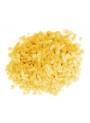
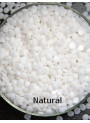
- Rice Bran Wax has a higher melting point than Beeswax (around 70-83°C). Its key advantage is its ability to absorb more oil than other waxes and provide a smooth texture. Using Rice Bran Wax in a lip balm formula helps make the texture smoother and prevents "sweating" (oil separating from the product) effectively.
Using a 50% Beeswax and 50% Rice Bran Wax ratio within the total wax content is a good starting point for experimenting with your formula. This ratio combines the properties of both waxes. Rice Bran Wax will contribute more to hardness and oil binding, helping to prevent oil separation better than using Beeswax alone, while Beeswax will ensure the lip balm is not too hard and retains a smooth feel.
However, the most suitable ratio will depend on the total percentage of wax in your formula and the type/amount of oils you use. If you desire a harder lip balm, you might increase the proportion of Rice Bran Wax. If you prefer a softer texture, you might increase the proportion of Beeswax. It is recommended to experiment by slightly adjusting the ratio to find the texture you desire.
Related Products Mentioned
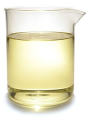
Vitamin E (Tocopheryl Acetate)
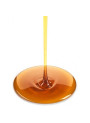
Vitamin E (dl-alpha tocopherol)
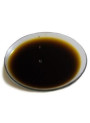
Rosemary Oleoresin Extract (ROE)
Rice Bran Wax