Preventing Recrystallization of Crystalline Actives in Gel-Cream Formulations
Question
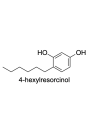
I frequently include lipophilic, highly crystalline solid actives such as TECA, Hexylresorcinol, and/or Tetrahydrodiferuloylmethane in oil/silicone-in-water emulsions (gel creams). These formulations use an aqueous continuous phase with Sepimax Zen and Satin Cream Maker (sodium acrylates copolymer) as rheology modifiers.
My current process involves dissolving these actives in a standalone solvent phase consisting of heated Ethoxydiglycol (EDG), Dimethyl Isosorbide (DMI), and/or Glycols.
The formulation phases are typically organized as follows:
- Phase A: Water and water-soluble ingredients
- Phase B: Silicone/oil phase
- Phase C: Solvent phase with dissolved crystalline actives
I have the following questions regarding preventing the crystalline actives from recrystallizing:
- How can I best prevent these actives from recrystallizing in the final formulation?
- Do I need a true solubilizer? If so, what would you recommend?
- Does the order of combining the phases make a difference? Is it viable to disperse the rheology modifiers in the solvent phase before combining it with the water phase to sort of "trap" the dissolved actives?
Answer
Preventing the recrystallization of highly crystalline lipophilic actives like Pure-TECA™, HR-White™ (Hexylresorcinol), and WhiteCumin™ in a gel-cream is a common challenge. Recrystallization typically occurs when the solvent (like Ethoxydiglycol or DMI) migrates into the water phase, leaving the active without enough solvent to stay in solution.
1. Do you need a true solubilizer?
While Ethoxydiglycol and Dimethyl Isosorbide (DMI) are excellent solvents, they are water-miscible. To prevent "crashing out," you often need a more lipophilic co-solvent or a surfactant-based solubilizer to keep the active associated with the oil phase/micelles.
- LipidSoft™ Solve: This is highly recommended for crystalline actives. It acts as a powerful solvent and helps stabilize these ingredients within the oil phase of the emulsion, preventing them from migrating and recrystallizing in the water phase.
- PEG-40 Hydrogenated Castor Oil: If your oil phase is very small, using a non-ionic solubilizer like this can help create a stable "micro-environment" for the actives.
2. Order of Combination and the "Trapping" Technique
Your idea of putting the rheology modifiers in the solvent phase is actually a professional technique often used to ensure smooth, clump-free hydration.
- Is it viable? Yes. You can disperse Sepimax Zen and Satin Cream Maker™ in your solvent/oil phase (Phase B + C). When this mixture is combined with the water phase (Phase A), the polymers hydrate instantly around the oil/solvent droplets.
- Does it "trap" the actives? To an extent, yes. By creating a polymer network immediately around the solvent droplets containing the dissolved actives, you slow down the diffusion of the solvent into the bulk water, which helps maintain the active's solubility.
Recommended Procedure
To maximize stability and prevent recrystallization, follow this modified workflow:
- Phase A (Water Phase): Water and water-soluble actives.
- Phase B (Oil/Solvent Phase): Combine your oils, Ethoxydiglycol, DMI, and LipidSoft™ Solve.
- Dissolve Actives: Add Pure-TECA™, HR-White™, and/or WhiteCumin™ to Phase B. Heat gently (around 70-80°C) until completely clear.
- Disperse Polymers: Once the actives are dissolved and the phase is slightly cooled (but still warm enough to keep them in solution), disperse Sepimax Zen and Satin Cream Maker™ into this oil/solvent phase. Stir until uniform.
- Emulsification: Add Phase B (containing the dissolved actives and polymers) into Phase A while mixing. The polymers will hydrate, and the emulsion will thicken, "locking" the solvent droplets in place.
Specific Tips for Your Actives
- Pure-TECA™: Requires high heat (80°C) in glycols to dissolve fully. Ensure it is 100% clear before proceeding.
- HR-White™: Very sensitive to recrystallization. Using a ratio of at least 5:1 (Solvent:Active) is usually necessary.
- Disodium EDTA: Always include 0.1-0.2% EDTA in the water phase to prevent discoloration, especially when using Hexylresorcinol or Turmeric-derived actives.
Related Products Mentioned
Ethoxydiglycol (e.q. Transcutol)
Disodium EDTA

Satin Cream Maker™
Dimethyl Isosorbide (DMI)
LipidSoft™ Solve