Probiotics and Prebiotics in Cosmetics: Types, Stability, and Support
Question
I would like to know the following: 1. Are the probiotics used in skincare/cosmetics and intimate area products the same type? 2. If a product formula contains antibacterial agents, can probiotics still survive when mixed into the product? 3. What is the optimal pH range for probiotics to function best? 4. Are there any ingredients that can increase or help maintain the presence of probiotics?
Answer
Understanding Probiotics and Prebiotics in Cosmetics
Here are the answers to your questions regarding probiotics in skincare and intimate area products:
Are probiotics for skincare and intimate areas the same type?
Cosmetic products typically do not contain live probiotics (live bacteria). Instead, they often use probiotic derivatives such as lysates (components released from broken-down bacteria) or ferments. While some of these derivatives may offer broad benefits for skin health by supporting the natural skin flora, specific ingredients or formulations might be chosen based on the target area. For example, some prebiotics or probiotic derivatives might be particularly beneficial for balancing the unique microbiome of the intimate area, as suggested by ingredients that help control specific bacteria found there.Can probiotics survive in a formula with antibacterial agents?
Live probiotics are generally not compatible with standard cosmetic preservatives or antibacterial ingredients, as these are designed to kill or inhibit microbial growth. Cosmetic formulations use stable probiotic derivatives (like ferment lysates or extracts) which provide beneficial effects without being live organisms. Some probiotic derivatives, like certain ferment filtrates, can even possess their own antimicrobial properties and function as part of a preservative system.What is the optimal pH for probiotics?
For the probiotic derivatives commonly used in cosmetics (such as ferment lysates), effectiveness is typically best maintained in a slightly acidic pH range, often between 3.5 and 5.5. This range is compatible with the natural pH of healthy skin.Are there ingredients that can increase or maintain probiotics?
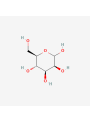
Yes, ingredients known as prebiotics can help nourish and support the growth of beneficial bacteria (probiotics) that are naturally present on the skin. Examples of prebiotics used in skincare include Alpha-glucan oligosaccharide and D-Mannose. These ingredients provide nutrients that help beneficial skin flora thrive, contributing to a balanced skin microbiome.
Related Products Mentioned
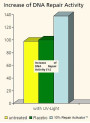

Prebio-care (Skin Prebiotic)
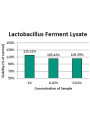
Lactobacillus Ferment Lysate
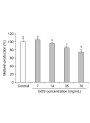
Galactooligosaccharide (GOS)

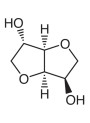
Isosorbide (Microbiota Balancer)