Problem with Homemade Vitamin C Spray (Smell and Instability)
Question
I made a homemade Vitamin C spray by dissolving L-ascorbic acid directly in water. The product developed an unpleasant smell. Why did this happen, and how can I make a stable Vitamin C spray?
Answer
Understanding the Smell in Your Vitamin C Spray
The unpleasant smell you noticed in your homemade Vitamin C spray is likely due to the oxidation of L-ascorbic acid when dissolved directly in water. L-ascorbic acid is a highly effective form of Vitamin C, but it is inherently unstable, especially in water-based solutions and when exposed to air and light. Oxidation causes it to degrade, which can result in a change in color (often turning yellow or brown) and the development of off-odors.
As the staff reply correctly pointed out, mixing L-ascorbic acid directly in water is not recommended for several reasons:
- Instability: L-ascorbic acid oxidizes rapidly in water, losing its effectiveness quickly.
- Acidity & Irritation: L-ascorbic acid is acidic. Spraying an acidic solution on the face, especially near the eyes, can cause significant irritation.
- Microbial Growth: Water-based formulas without proper preservation are prone to bacterial and fungal contamination, which can also contribute to unpleasant smells and pose a health risk.
To create a stable and safe Vitamin C product, especially in a water-based format like a spray or serum, it is better to use more stable derivatives of Vitamin C that are designed to be soluble and stable in water. Examples include:
- Ethyl Ascorbic Acid
- Ascorbyl Glucoside
- Magnesium Ascorbyl Phosphate (MAP)
- Sodium Ascorbyl Phosphate (SAP)
These derivatives are less prone to oxidation in water and are easier to formulate. While L-ascorbic acid (like the Ultra-Fine or Fine grades) offers high potency, achieving stability requires careful formulation, often involving specific pH levels (typically below 3.5) and potentially antioxidants or anhydrous bases.
Furthermore, as advised, any formula containing water must include a preservative to prevent contamination. Phenoxyethanol is a common and effective preservative suitable for cosmetic formulations.
In summary, the smell is a sign of the L-ascorbic acid degrading. For a stable and safe water-based Vitamin C product, consider using a stable Vitamin C derivative and always include a suitable preservative.
Related Products Mentioned
Vitamin C (L-ascorbic acid) (Ultra-Fine)
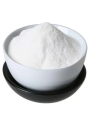
Vitamin C (L-ascorbic acid) (Fine)
Phenoxyethanol (Extra Pure)