Problems with DIY AHA/Vitamin C Gel: Cloudiness, Tackiness, and Residue
Question
I am making a DIY gel formulation containing AHA (Lactic and Glycolic Acid) and Vitamin C (L-Ascorbic Acid). I encountered several issues and have some questions:
- Initial pH and Vitamin C Addition: The initial pH of the base was very low (pH 2). I dissolved 2% L-Ascorbic Acid in 5% water separately and added it. After adding the Vitamin C, the gel became cloudy and had a slight pearly sheen.
- Texture and Residue: The finished gel feels tacky on the skin and leaves a white powdery residue on the skin and arm hairs.
- Ingredient Substitution: Can Glycerin Borax be used instead of liquid Glycerin in this type of formulation? I used 5% Glycerin.
- pH Adjustment: Is it okay to use Baking Soda (Sodium Bicarbonate) to adjust the pH? I used it to adjust the pH after adding the Vitamin C.
- Cyclopentasiloxane (DC345): I included 5% DC345 in the formula. Could this contribute to the problems?
What are the potential causes for the cloudiness, tackiness, and white residue, and are Glycerin Borax and Baking Soda suitable for use in this AHA/Vitamin C gel formulation?
Answer
Understanding Your Gel Formulation Issues
It sounds like you've encountered some common challenges when formulating a gel with active ingredients like AHAs and Vitamin C. Let's break down the potential reasons for the problems you observed:
Why the Gel Turned Cloudy After Adding Vitamin C
L-Ascorbic Acid (Vitamin C powder) needs a low pH to remain stable and soluble. While your initial pH of 2 was very low, adding the dissolved Vitamin C to your main mixture might have caused it to precipitate. This could be due to:
- Incompatibility with other ingredients: Certain gelling agents, the Glycerin Borax you used, or other components might react with or reduce the solubility of L-Ascorbic Acid in the final mixture.
- Insufficient dissolution or stability: Although L-Ascorbic Acid dissolves in water, its stability is poor in plain water over time, and it can degrade or react, leading to cloudiness or precipitation, especially when introduced into a complex mixture.
The white cloudiness and pearly sheen are strong indicators of solid particles (likely precipitated Vitamin C) dispersed throughout the gel.
Why the Gel Felt Tacky and Left White Residue
- Tackiness: High concentrations of humectants like Glycerin (5% in your formula) can contribute to a sticky or tacky feel on the skin, especially depending on the type and amount of gelling agent used.
- White Residue: This is almost certainly the precipitated L-Ascorbic Acid that did not remain dissolved in the gel. When the water evaporates after applying the gel, the solid particles are left behind on the skin and hairs.
Can Glycerin Borax Replace Liquid Glycerin?
No, Glycerin Borax should not be used as a direct substitute for cosmetic-grade liquid Glycerin. Glycerin Borax is a solution of Borax (Sodium Borate) in Glycerin. Borax is an alkaline salt. Using it in an acidic formula containing AHA (Lactic Acid, Glycolic Acid) and L-Ascorbic Acid will cause chemical reactions. This can lead to:
- Reduced efficacy: The alkaline nature of Borax will neutralize the acids, making your AHA and Vitamin C less effective, as they require a low pH to work.
- Formula Instability: The reaction between the acids and Borax can cause precipitation, separation, and overall instability of your gel.
Always use pure, cosmetic-grade Glycerin in your formulations.
Can Baking Soda Adjust pH? Is it Okay to Use?
Yes, Baking Soda (Sodium Bicarbonate) can increase pH and is sometimes used for this purpose in cosmetic formulations, particularly with acids like AHA/BHA. However, it might not be the ideal choice for a clear gel containing L-Ascorbic Acid because:
- Fizzing: It reacts with acids to produce carbon dioxide gas, causing fizzing.
- Residue: It can introduce salts into the formula that might contribute to the white residue if not fully dissolved or reacted.
More commonly used cosmetic pH adjusters like dilute Sodium Hydroxide solution or Triethanolamine are often preferred for better control and less risk of residue.
Cyclopentasiloxane (DC345)
Cyclopentasiloxane is a silicone that provides a smooth feel but is not water-soluble. Including it at 5% in a water-based gel without a proper system to incorporate silicones into the water phase can also contribute to texture issues and potentially residue if it separates from the water phase.
Recommendations for Improvement
- Use Cosmetic-Grade Ingredients: Ensure all ingredients, especially Glycerin, are cosmetic grade and pure.
- Check Compatibility: Be mindful of chemical reactions between ingredients, particularly acids and bases.
- Proper Mixing: Dissolve L-Ascorbic Acid completely in a suitable solvent (like water with a chelating agent) and add it carefully at the appropriate stage and temperature (usually the final step, below 30°C).
- Appropriate pH Adjustment: Use a cosmetic-grade pH adjuster like Sodium Hydroxide solution and adjust slowly while measuring pH.
- Formulation Design: Consider if a gel is the best format for all your ingredients. Ingredients like Cyclopentasiloxane are often better suited for emulsions (creams, lotions) or anhydrous formulas.
By using appropriate cosmetic-grade ingredients and following standard formulation practices, you should be able to achieve a stable, clear, and pleasant-feeling gel.
Related Products Mentioned

Allantoin
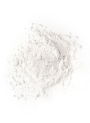
Vitamin C (L-ascorbic acid) (Ultra-Fine)
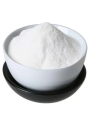
Vitamin C (L-ascorbic acid) (Fine)
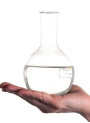
Glycerin (USP/Food Grade)
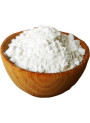
Sodium Bicarbonate
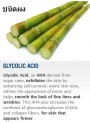
Glycopure™ (Glycolic Acid (AHA) Powder)
Vitamin C (L-ascorbic acid) (Standard)
Lactic Acid (AHA) 90%