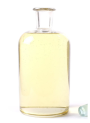
Product Color Change to Dark Brown
Question
The product changed color from light yellow to dark brown.
1. What is the cause? Is it due to a specific ingredient, insufficient `สารกันเสีย`, or other factors?
2. Can the product still be used?
3. How can the formulation be improved for the next batch?
The product volume is 300g, and the formula is as shown in the attached picture (not provided).
Answer
Product Color Change from Light Yellow to Dark Brown
The color change in your product from light yellow to dark brown is a common issue in cosmetic formulations and can be caused by several factors. Based on the description, the most likely cause is the oxidation or degradation of certain ingredients in the formula.
Cause of Color Change:
- Oxidation: Many ingredients, particularly natural extracts, vitamins (like Vitamin C derivatives), and some oils, are susceptible to oxidation when exposed to air, light, or heat. This chemical reaction can lead to a change in color, often turning yellow, orange, brown, or even darker over time.
- Ingredient Degradation: Some ingredients may simply break down over time, especially if the formula's pH is not optimal for their stability or if exposed to unfavorable conditions.
- Ingredient Interactions: Certain ingredients might react with each other over time, causing discoloration.
- Light and Heat Exposure: Storing the product in direct sunlight or high temperatures can accelerate oxidation and degradation processes.
- While insufficient preservation can lead to microbial growth which might cause changes in appearance including color, the specific change from yellow to dark brown is more characteristic of chemical degradation like oxidation rather than typical microbial spoilage colors.
- Without seeing the full formula, it is difficult to pinpoint the exact ingredient responsible for the color change.
Usability:
- When a cosmetic product undergoes a significant color change like this, it indicates that the formula's stability has been compromised. While it might not be immediately harmful, the active ingredients may have degraded, reducing the product's effectiveness. The safety profile could also potentially change depending on the degraded compounds.
- It is generally not recommended to continue using a product that has changed color drastically, as its quality, efficacy, and safety cannot be guaranteed.
How to Improve for Next Time:
- Review Formula: Identify ingredients known to be prone to oxidation or degradation. Common culprits include certain plant extracts, antioxidants themselves (once they've done their job), and some active compounds.
- Add Antioxidants: Incorporate effective antioxidants into your formula to help protect sensitive ingredients from oxidation. Examples include Tocopherol (Vitamin E), Ferulic Acid, BHT, or specific antioxidant blends.
- Optimize pH: Ensure the formula's pH is within the optimal range for the stability of all sensitive ingredients and the effectiveness of the preservative system.
- Appropriate Packaging: Use packaging that protects the product from light and air, such as opaque bottles or airless pumps.
- Proper Storage: Advise users to store the product in a cool, dark place, away from direct sunlight and heat.
- Ingredient Quality: Ensure the raw materials used are fresh and of high quality.
- Manufacturing Process: Minimize exposure to heat and air during the manufacturing process.
- Preservation System: Ensure your preservative system is robust and suitable for your formula's composition and intended use to prevent microbial spoilage, which can also contribute to instability, although less likely the primary cause of this specific browning.
Addressing these factors in your formulation and manufacturing process should help prevent similar color changes in future batches.
Related Products Mentioned
Global Guard™ 221 (pH 2-7, Natural)
Preserve-BSB™ (eq. Optiphen BSB-W)