Protocol and Materials for Creating Liposomes using Hydrogenated Lecithin and Cholesterol
Question
I am looking for the specific protocol and required materials to create liposomes using Hydrogenated Lecithin (95% Phosphatidylcholine).
What are the essential materials needed, such as stabilizers like Cholesterol (95%, NF, Fine Powder), and what are the general steps involved in the preparation process (e.g., lipid film formation, hydration, and sizing techniques like sonication or extrusion)?
Answer
The product description for Hydrogenated Lecithin (95% Phosphatidylcholine) (ID: 31225) explicitly states that the company cannot provide specific, detailed protocols for liposome creation (such as sonication, solvent evaporation, or extrusion techniques). These methods require specialized knowledge, equipment, and procedures for testing, dimensioning, and calculating entrapment efficiency, which the user must possess.
However, based on the product information, here are the essential materials and general principles for creating liposomes:
1. Essential Materials
- Hydrogenated Lecithin (95% Phosphatidylcholine) (ID: 31225): This is the primary phospholipid component that forms the liposome bilayer.
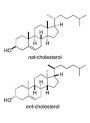
- Cholesterol (95%, NF, Fine Powder) (ID: 638): This material is highly recommended to be used in conjunction with the lecithin. It helps to strengthen and stabilize the liposome walls, making them more resistant to the environment and increasing shelf-life.
- Active Ingredient: The substance (e.g., a water-soluble or oil-soluble active) you intend to encapsulate.
- Solvent/Medium: Typically a suitable aqueous buffer or organic solvent, depending on the chosen preparation method.
2. General Protocol Overview (Conceptual)
Liposome preparation generally involves two main stages, though the specific technique (e.g., Thin-Film Hydration, Injection Method) will dictate the exact steps:
- Preparation of the Lipid Film: The phospholipids (Hydrogenated Lecithin) and the stabilizer (Cholesterol) are dissolved in an organic solvent (e.g., chloroform, ethanol). The solvent is then removed under vacuum or nitrogen to form a thin, dry lipid film on the container wall.
- Hydration and Sizing: The lipid film is hydrated with an aqueous solution containing the active ingredient. This process forms large, multi-lamellar vesicles (MLVs). To create the small, uniform liposomes required for cosmetic use, further processing is necessary, such as:
- Sonication: Using an ultrasonic probe or bath to break down the large vesicles into smaller ones.
- Extrusion: Forcing the MLVs through membranes with defined pore sizes to achieve uniform size.
Critical Note on Cholesterol (ID: 638): If you use Cholesterol, be aware that it has a very high melting point (150°C). It must be dissolved in a heat-resistant oil part of your formula at a temperature above 150°C before proceeding with the rest of the formulation process.
Related Products Mentioned