Pure Vitamin C Serum Formulation with Hya & Peptide
Question
I would like to inquire about formulating a Pure Vitamin C Serum + Hya + Peptide. I have the following questions:
- If I want to dissolve L-ascorbic acid in Glycols, do you have recommendations on which type of Glycols should be chosen?
- What is the difference between Vitamin C (L-ascorbic acid) Fine and Ultra-Fine grades?
- Could you recommend other ingredients that should be used to produce a Pure Vitamin C Serum + Hya + Peptide, in a serum texture similar to Cellular RX and Pure Vitamin C Some By mi?
Answer
Pure Vitamin C Serum Formulation Guidance
Dissolving L-Ascorbic Acid in Glycols
L-ascorbic acid is highly effective but also very unstable, particularly in the presence of water. While glycols like Propylene Glycol and Butylene Glycol can act as solvents and humectants in cosmetic formulations, L-ascorbic acid itself is not typically dissolved directly and solely in glycols for a stable serum.
L-ascorbic acid is water-soluble, but its stability in water is low unless the pH is carefully controlled (ideally between 2.0-4.0, though FDA recommends pH 3.5 or higher for leave-on products).
For better stability, L-ascorbic acid serums are often formulated as:
- Anhydrous systems: Using non-water solvents like silicones or high concentrations of glycols/other non-aqueous solvents where L-AA remains in a suspended or very slowly dissolving state until applied to the skin (where it interacts with skin moisture).
- Low pH aqueous systems: Using water as the primary solvent but adjusting the pH to the acidic range (2.0-4.0) to improve L-AA stability. This approach often requires chelating agents like Disodium EDTA to mitigate degradation caused by metal ions.
Glycols such as Propylene Glycol and Butylene Glycol can be valuable components in both types of formulations. They can help disperse L-AA in anhydrous systems or act as co-solvents and humectants in low pH aqueous systems. Butylene Glycol is often preferred for its milder profile compared to Propylene Glycol.
Difference Between Fine and Ultra-Fine L-Ascorbic Acid
The primary difference between the Fine and Ultra-Fine grades of L-ascorbic acid lies in their particle size:
- Vitamin C (L-ascorbic acid) (Fine): Has a particle size in the range of 200-300 microns. It can dissolve in water but may require slight heating (50-70°C for 1-3 minutes) to aid dissolution.
- Vitamin C (L-ascorbic acid) (Ultra-Fine): Has a particle size smaller than 45 microns. This much finer powder disperses very well and dissolves immediately in water. It is particularly suitable for anhydrous formulas where easy dispersion is beneficial.
Both grades are L-ascorbic acid and share the same high efficacy and low stability in water. The choice between Fine and Ultra-Fine depends on your formulation's solvent system and desired ease of dispersion/dissolution. For anhydrous systems, Ultra-Fine offers easier dispersion.
Recommendations for Pure Vitamin C Serum + Hya + Peptide
To create a serum similar in texture to products like Cellular RX or Some By Mi Pure Vitamin C, incorporating L-ascorbic acid, Hyaluronic Acid, and Peptides, consider the following:
- Vitamin C (L-Ascorbic Acid): Choose either the Fine or Ultra-Fine grade. Given the desire for a serum texture (which often implies an aqueous component), you will likely need a low pH aqueous system for stability. Aim for a pH between 3.5-4.0. Include a chelating agent like Disodium EDTA. You may also consider adding antioxidants like Ferulic Acid and Vitamin E, which are known to enhance L-AA stability and efficacy.
- Hyaluronic Acid: To achieve a serum texture and provide hydration, incorporate Hyaluronic Acid. Using a combination of molecular weights can offer benefits at different skin depths.
- Hyaluronic Acid (Standard Molecule) and Hyaluronic Acid (Large Molecule) are excellent for providing surface hydration and contributing to the gel-like viscosity of a serum.
- Hyaluronic Acid (Super Low Molecule, 7000daltons) can penetrate deeper for hydration below the surface.
- Alternatively, the Hyaluronic Acid Gel Base could serve as a convenient pre-made base to which you can add your other active ingredients. Remember that Hyaluronic Acid solutions require a preservative like Phenoxyethanol if they contain water.
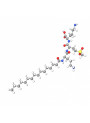
- Peptides: To add peptide benefits, consider a blend like Pep®-Max12 (12 Peptides Mixture). This blend offers a range of benefits including wrinkle reduction and brightening. Other options include Pep-Even™ (Tetrapeptide-30) for brightening or Pep®-Synthe6 (Palmitoyl Tripeptide-38) for wrinkle reduction. Peptides are typically added in the final phase of formulation at temperatures below 40°C.
- Solvent System: A blend of water and glycols (like Butylene Glycol or Propylene Glycol) is common in low pH L-AA serums. The glycols help with solubility, act as humectants, and can improve the texture.
- Stabilization: Beyond pH control and chelating agents, consider antioxidants and potentially light-protective packaging (opaque bottle) to maintain L-AA stability.
General Formulation Tips:
- Always work in a clean environment.
- Measure ingredients accurately.
- Add L-ascorbic acid to the water phase after adjusting the pH, or disperse it in the non-aqueous phase in anhydrous systems.
- Add heat-sensitive ingredients like peptides in the cooling phase below 40°C.
- Ensure proper preservation if your formula contains water.
By carefully selecting your ingredients and following proper formulation techniques, you can create a potent Pure Vitamin C Serum with the desired texture and benefits.
Related Products Mentioned
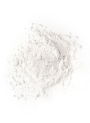
Vitamin C (L-ascorbic acid) (Ultra-Fine)
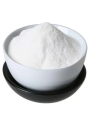
Vitamin C (L-ascorbic acid) (Fine)
Propylene Glycol (USP)
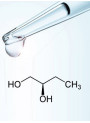
Butylene Glycol

Hyaluronic Acid Gel Base
Pep-Even™ (Tetrapeptide-30)