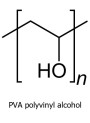
PVA 205 Drying Speed and Alternative Grades
Question
Regarding the PVA used for testing, code 205, the problem is that it dries slowly. I would like to know which code should be used to make the product dry faster. Also, please provide a guideline formula.
Answer
PVA Solution Guideline Formulation
Based on the available Polyvinyl Alcohol (PVA) data in the system, the PVA 205 you are using has a viscosity of 5-6 mPa.s, which is considered a relatively low viscosity grade among PVA types. The slow drying of the film might not solely depend on the PVA type but also on other factors in the formulation and application.
Generally, lower viscosity and lower molecular weight PVA types tend to dry faster. However, from the list of PVA found in the search results, PVA 205 is one of the lowest viscosity grades shown. Therefore, there might not be another PVA grade with significantly lower viscosity than 205 available in the search results that would inherently dry faster based purely on the PVA material itself.
Other factors that affect drying speed include:
- PVA Concentration in the Formula: If the concentration is too high, the film will be thicker and dry slower.
- Addition of Other Ingredients: Such as humectants like Glycerin, which can slow down the drying process.
- Thickness of the Applied Film
- Environmental Conditions: Temperature and relative humidity.
If you need the film to dry faster, you might consider reducing the PVA concentration in the formula, using drying aids, or improving the drying process.
Here is a basic guideline formulation for a PVA solution for film formation:
Guideline Formula
- Polyvinyl Alcohol (PVA) (e.g., PVA 205) : 5 - 15% (Adjust based on desired viscosity)
- Glycerin (Plasticizer) : 1 - 5% (Helps make the film flexible, not brittle)
- Water : Balance to 100%
- Preservative : 0.5 - 1% (If needed for preservation)
Instructions:
- Slowly sprinkle the PVA powder into cold water, stirring to disperse well.
- Heat the water while stirring continuously (around 80-90°C) until the PVA dissolves into a clear, homogeneous solution.
- Let the temperature cool down, add Glycerin and preservative (if used), and stir to combine.
- Adjust the water amount to reach the desired total percentage.
Suggestions:
- Start with a lower PVA concentration, such as 5-8%, and test the drying time. If it's still too slow, you might try slightly reducing the concentration further (but ensure it can still form a film).
- The amount of Glycerin affects flexibility and drying speed. Too much can result in slow drying and tackiness.
- Increasing air circulation or using gentle heat during the drying process can help accelerate drying.
If you truly require a PVA that dries faster than the 205 grade, you might need to look for grades with viscosity lower than 5 mPa.s, which would require checking directly with suppliers to see if such grades are available.
Related Products Mentioned