Questions about Anti-irritant, Aveenoat Solubility, and Water-Free Vitamin C Serum Formulation
Asked by: batblast41
On: February 13, 2018
Product Type:
Cosmetics
Answered
Question
I have a few questions regarding cosmetic formulation:
- Should I include an anti-irritant in my formula, which contains MSH White Absorb™, B3, GlucoBright, and a cream maker?
- Will Aveenoat dissolve completely without using heat?
- I would like guidance on formulating a water-free Vitamin C serum using Propylene Glycol and Ethoxydiglycol. What percentages should I use for each?
Answer
Formula Check and Questions
Regarding the need for an anti-irritant in the first formula:
- The staff stated that MSH White Absorb™ (ID 881) is not irritating to the skin, and the other ingredients listed (B3 ID 74, GlucoBright ID 116, cream maker - category 36) are also not irritating.
- Therefore, they do not think it is necessary to add an anti-irritant (category 58) unless your skin is already prone to irritation from other products. (The staff emphasized that allergy and irritation are different).
- The staff also recommended adding a preservative (category 34) to the formula, specifically Mild Preserved Eco (ID 1001) at 1%.
Regarding Aveenoat dissolution without heat:
- The staff confirmed that Aveenoat (ID 1398) can dissolve without using heat, but it will require a longer blending time for complete dissolution.
Regarding percentages of Propylene Glycol and Ethoxydiglycol for a water-free Vitamin C serum:
- The staff stated that standard Vitamin C (L-Ascorbic Acid, ID 133) can dissolve in Propylene Glycol (ID 138) or Ethoxydiglycol (ID 137) up to a level not exceeding 5% when used individually.
- The staff's reply does not provide a specific ratio for using both Propylene Glycol and Ethoxydiglycol together in a water-free serum formulation, but indicates the solubility limit of Vitamin C in each solvent is around 5%. A water-free serum formulation using L-Ascorbic Acid typically involves dissolving the Vitamin C powder in a blend of non-aqueous solvents. The exact percentages of Propylene Glycol and Ethoxydiglycol when used together would depend on the desired Vitamin C concentration and the overall formulation strategy, keeping in mind the solubility constraint.
Related Products Mentioned
Safe-B3™ (Vitamin B3, Niacinamide)
Cosmetics
GlucoBright™ (Acetyl Glucosamine)
Cosmetics
Vitamin C (L-ascorbic acid) (Ultra-Fine)
Cosmetics
Ethoxydiglycol (e.q. Transcutol)
Cosmetics
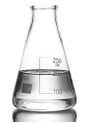
Propylene Glycol (USP)
Cosmetics

MSH White Absorb™
Cosmetics
Mild Preserved Eco™ (Preservative-Free)
Cosmetics
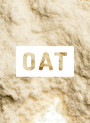
Aveenoat™ (Ultra-Fine Oatmeal)
Cosmetics