Questions about BHT (Butylated Hydroxytoluene) as an Antioxidant
Question
Based on the information provided about BHT (butylated hydroxy toluene) and its use as an antioxidant, I have several questions:
- Can BHT be used to replace Vitamin E (Tocopheryl Acetate) to prevent oxidation of active ingredients from darkening when exposed to air?
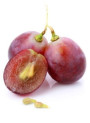
- Is my understanding of preventing oxidation of Grape Seed Extract ([url=http://www.myskinrecipes.com/shop/%E0%B8%95%E0%B9%89%E0%B8%B2%E0%B8%99%E0%B8%AD%E0%B8%99%E0%B8%B8%E0%B8%A1%E0%B8%B9%E0%B8%A5%E0%B8%AD%E0%B8%B4%E0%B8%AA%E0%B8%A3%E0%B8%B0/1076-grape-seed-extract-proanthocyanidins.html:2fo87oi0]Proanthocyanidins[/url:2fo87oi0]) correct, specifically that other antioxidants help prevent substances sensitive to oxidation, like Grape Seed Extract, from darkening or degrading quickly?
- Can BHT be used in Vitamin C (L-Ascorbic Acid) formulas to prevent oxidation?
- Is it always necessary to include antioxidants in formulas with most natural active ingredients?
- How safe is BHT? I don't see most brands using it.
- I read that BHT used with BHA (butylated hydroxyanisole) will significantly enhance antioxidant effectiveness. Is this true?
- Can BHT help reduce acne, skin inflammation, and protect skin from sun damage?
- What is the maximum percentage of BHT allowed in a formula? What percentage is recommended?
Answer
Hello,
Thank you for your questions about BHT (butylated hydroxy toluene). We apologize for the limited information available. Based on the information received from our staff and further searching, here are the answers to your questions:
We have noted the information from our staff that BHT is an antioxidant that was popular in the past but is now less common due to safety concerns. Also, not all natural active ingredients necessarily require antioxidants, and specifically, Grape Seed Extract (Proanthocyanidins) does not have significant oxidation issues.
Regarding your other questions:
Can BHT be used to replace Vitamin E to prevent oxidation of active ingredients from darkening when exposed to air?
BHT and Vitamin E (Tocopheryl Acetate) are both antioxidants used in cosmetic formulations to prevent oxidation of other ingredients or the formula itself. They have somewhat different mechanisms of action, and their effectiveness may depend on the specific substance being protected and the formula's environment. Whether BHT can replace Vitamin E depends on compatibility within the formula and the desired effectiveness. However, Vitamin E is currently more popular and widely accepted in terms of safety compared to BHT.Is my understanding of preventing oxidation of Grape Seed Extract correct?
Your understanding that other antioxidants help prevent substances sensitive to oxidation, like Grape Seed Extract, from darkening or degrading quickly is a general principle of using antioxidants. However, our staff mentioned that Grape Seed Extract (Proanthocyanidins) does not easily undergo oxidation, so it may not be necessary to use an antioxidant specifically to prevent color change for this ingredient. The purpose of using antioxidants in formulas containing oxidation-sensitive ingredients is to help maintain the ingredient's full effectiveness and extend the product's shelf life.Can BHT be used in Vitamin C formulas to prevent oxidation?
Vitamin C (L-Ascorbic Acid) is very sensitive to oxidation. BHT is one of the antioxidants that can be used in formulas with Vitamin C to help slow down degradation from oxidation. However, other antioxidants are also commonly used with Vitamin C, such as Vitamin E or Ferulic Acid, which may provide better synergistic effects.Is it always necessary to include antioxidants in formulas with most natural active ingredients?
Not always. It depends on how sensitive the specific natural active ingredient is to oxidation. Some ingredients are very stable and do not require additional antioxidants, while others, such as extracts containing phenolic compounds or polyunsaturated fatty acids, may need antioxidants to maintain quality and stability.How safe is BHT? I don't see most brands using it.
As mentioned by our staff, BHT has raised more safety concerns recently. Although it is still used in some industries, its popularity in the cosmetic industry has significantly decreased. This is due to debates and some research suggesting potential long-term health effects, leading most brands to choose other antioxidants with fewer concerns.I read that BHT used with BHA (butylated hydroxyanisole) significantly enhances antioxidant effectiveness. Is this true?
BHA (Butylated Hydroxyanisole) is another type of antioxidant. Using multiple antioxidants together (like BHT and BHA) can indeed provide synergistic effects in preventing oxidation. This is because each antioxidant may have different mechanisms or target different free radicals, so using them together can provide more comprehensive protection. (Note: BHA in the context of antioxidants is Butylated Hydroxyanisole, which is different from BHA in the context of acne treatment, which usually refers to Salicylic Acid).Can BHT help reduce acne, skin inflammation, and protect skin from sun damage?
The primary function of BHT is as an antioxidant to prevent product degradation. While antioxidants generally play a role in protecting cells from free radical damage, which can be linked to inflammation and sun damage, BHT does not have direct properties for treating acne, reducing inflammation, or providing sun protection like active ingredients used for those purposes. BHT's role in a formula is to maintain the stability of other ingredients.What is the maximum percentage of BHT allowed in a formula? What percentage is recommended?
Information on the maximum recommended usage percentage of BHT in cosmetics can vary depending on regulations in different countries or regions and the type of product. It is generally used at relatively low concentrations (e.g., 0.01% - 0.1%) as an antioxidant. However, due to safety concerns and data limitations, we cannot provide specific usage recommendations. You should check regulations and usage guidelines from reliable sources or directly from the raw material supplier.
We hope this information is helpful. Please feel free to ask if you have any further questions.
Related Products Mentioned
Vitamin E (Tocopheryl Acetate)
Salicylic Acid (BHA, Pharma Grade)