Questions about Cleansing Water Formulation and Suitability for Sensitive Skin
Asked by: walkinthegarden
On: May 27, 2017
Product Type:
Cosmetics
Answered
Question
Regarding the sample formula for Cleansing Water:
Coco Wash™3-5%MakeUp-Wash™3-5%- Emollient (e.g.,
glycerin,Butylene Glycol) 5-10% - Water [rest]
I have the following additional questions:
- Do I need to add other ingredients, such as preservatives or solvents?
- Should
Disodium EDTAbe added to the water before use? - Can I mix the ingredients manually without using a machine?
- Are there any additional recommendations to make the formula suitable for individuals with sensitive, thin skin that shows visible blood vessels, and is dry and flaky?
Answer
Cleansing Water Formulation Questions
Here are the answers to your questions regarding the cleansing water formula:
Additional Ingredients (Preservatives, Solvents):
- Preservatives: Yes, you absolutely need to add a preservative system to this formula. Since the formula contains water, it is susceptible to microbial growth, which can spoil the product and be harmful to the skin. Common cosmetic preservatives like Potassium Sorbate and Sodium Benzoate are often used in combination.
- Solvents: The formula already includes Glycerin and Butylene Glycol, which act as emollients and also help dissolve other ingredients. Depending on any additional oil-soluble ingredients you might want to add (like extracts or fragrances), you might need a small amount of an additional solvent or solubilizer, but for the basic formula provided, the existing emollients often suffice.
Adding Disodium EDTA to Water:
- Yes, it is highly recommended to add Disodium EDTA to the water before adding other ingredients, especially if you are not using distilled water. Disodium EDTA is a chelating agent that binds to metal ions present in tap or even some bottled water. These metal ions can interfere with the stability and effectiveness of the formula, including reducing the efficiency of preservatives. Adding Disodium EDTA helps ensure the formula remains stable and effective over time.
Manual Mixing:
- Yes, for this type of simple cleansing water formula, manual mixing (stirring) is generally sufficient to dissolve and combine the ingredients evenly. High-shear mixing equipment is not typically required.
Recommendations for Sensitive, Thin, Dry Skin:
- For sensitive, thin, and dry skin, the provided base formula is a good starting point as Coco Wash and MakeUp-Wash are generally considered mild surfactants. To make it more suitable:
- Consider using the higher end of the recommended range for emollients like Glycerin and Butylene Glycol (e.g., closer to 10%) to provide more hydration and reduce dryness.
- Ensure the pH of the final product is skin-friendly (typically around 5.5).
- Avoid adding potential irritants such as fragrance or colorants.
- You could also consider adding soothing ingredients, although specific recommendations would require knowing which ingredients are available and suitable for this type of formula.
- For sensitive, thin, and dry skin, the provided base formula is a good starting point as Coco Wash and MakeUp-Wash are generally considered mild surfactants. To make it more suitable:
Remember to always follow good manufacturing practices when creating cosmetic formulations.
Related Products Mentioned
Glycerin (USP/Food Grade)
Cosmetics
Disodium EDTA
Cosmetics
Coco Wash™ (PEG-7 Glyceryl Cocoate)
Cosmetics
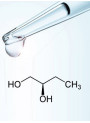
Butylene Glycol
Cosmetics

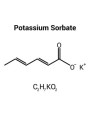
Potassium Sorbate
Cosmetics