Questions about Cream Formulation, Extracts, and Antioxidant Claims
Question
I want to make another cream with the following ingredients:
- Water 50.0485%
- Butylene Glycol 5%
- Disodium EDTA 0.2%
- Allantoin 0.2515%
- Natural Betaine 2%
- Vitamin B3, Niacinamide 2%
- N-Acetyl-D-Glucosamine 4%
- L-Carnitine 3%
- Centella Asiatica Extract(Madecassoside) 3%
- Rose Extract 3%
- Cucumber Extract 3%
- Mulbeery Extract 2%
- Aloe Vera Extract 2%
- Tumeria Extract 2%
- Pomogranate Extract 2%
- Sea Weed Extract 2%
- Carrot Extract 3%
- Green Tea Extract 3%
- Alpha Aubutin 2%
- Coenzyme Q10 4%
- Bisabolol 1%
- Light Cream Maker 1%
- Phenoxyethanol 0.5%
The above formulation has not yet been adjusted for pH using Citric Acid.
My questions are:
- From this formula, what is the maximum percentage of additional extracts I can add?
- Is the information that Green Tea Extract contains "Super Anti-oxidants" superior to general extracts true?
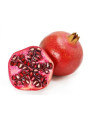
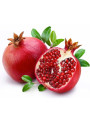
- Is the information that Pomegranate Extract has three times more antioxidants than Green Tea Extract true?
- If this formula doesn't work out, how else can I adjust it?
Answer
Formulation Questions Answered
Regarding your cream formulation and questions:
Adding More Extracts: Determining the maximum percentage of additional extracts you can add to your formula requires careful consideration of the specific extracts, their compatibility, the overall stability of the emulsion, and the desired texture and performance of the final product. This is a complex formulation challenge that requires testing and expertise to ensure the product remains stable, safe, and effective. I cannot provide a specific percentage without further evaluation and testing of the complete formula.
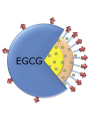
Green Tea Extract as a Super Anti-oxidant: Yes, information suggests that Green Tea Extract, particularly due to its high content of Epigallocatechin gallate (EGCG), is a potent antioxidant. EGCG is known for its ability to fight free radicals, help repair skin damage from UV rays, and provide anti-inflammatory benefits. Some forms of Green Tea Extract are standardized to contain much higher concentrations of EGCG compared to general extracts, making them particularly effective antioxidants.
Pomegranate Extract vs. Green Tea Extract Antioxidant Potency: While Pomegranate Seed Oil is also recognized for its high levels of antioxidants, including Ellagic Acid and Punicic Acid which fight free radicals, the information available does not provide a direct quantitative comparison stating that Pomegranate Extract has three times more antioxidants than Green Tea Extract. Both are valuable antioxidants, but the specific claim about a threefold difference is not supported by the product information.
Formula Adjustment: If your formula is not stable or performing as expected, adjusting it requires formulation knowledge and potentially laboratory testing. Changes might involve adjusting the percentages of existing ingredients, considering different types of emulsifiers or thickeners, or adding stabilizers. Without a full understanding of the issues you are encountering, I cannot provide specific recommendations for modifying your formula.
It is important to perform stability testing when making changes to a formulation to ensure the product remains consistent and safe over time.
Related Products Mentioned
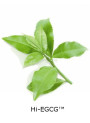
Hi-EGCG™ (Green Tea Extract)
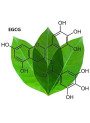
Pure-EGCG™ (Green Tea Extract, 98% EGCG)