Questions about Modifying a Cream/Lotion Sunscreen Formula with Physical Filters
Question
I'm working on a cream/lotion formula containing physical sunscreen filters (Titanium Dioxide and Zinc Oxide). I have several questions regarding modifications and aspects of the formula:
- How much solvent or dispersant is needed to fully dissolve/disperse Titanium Dioxide and Zinc Oxide powders, and how can I determine if enough has been used?
- Is a preservative necessary in this type of formula?
- How can I calculate or determine the required percentages of Oil Free Titanium Dioxide Nano (liquid) and Oil Free Zinc Oxide Nano (liquid) to achieve SPF 15?
- Can I replace Caprylic/Capric Triglyceride with Jojoba Oil in the formula?
- Can Centella Asiatica Extract be removed from the formula?
- I'm considering a modified formula with the following ingredients: Oil Free Titanium Dioxide Nano, Oil Free Zinc Oxide Nano, Jojoba Oil, Vitamin B3, Glucosamine, Cyclomethicone, Light Cream Maker, and water. Is this formula viable, and what testing (e.g., stability, compatibility) is required?
Answer
Formulation Questions Answered
Here are the answers to your questions regarding the formulation:
Preservative Requirement: Yes, a preservative is necessary in the original formula because it contains water. Any formulation containing a water phase requires a broad-spectrum preservative to prevent microbial growth and ensure product safety and stability. Suitable options include Global Guard 221 or Mild Preserved COS.
Achieving SPF 15: Achieving a specific SPF value with physical sunscreens like Titanium Dioxide Nano and Zinc Oxide Nano is not a simple additive calculation and requires actual testing of the final formula. Based on the information provided by staff, Oil Free Titanium Dioxide Nano (liquid) at 1% provides approximately SPF 1.0, and Oil Free Zinc Oxide Nano (liquid) at 1% provides approximately SPF 1.5. While increasing the concentration of these ingredients will increase the SPF, the exact combination to reach SPF 15 would need to be determined through laboratory testing.
Replacing Caprylic/Capric Triglyceride with Jojoba Oil: Yes, you can replace Caprylic/Capric Triglyceride with Jojoba Oil. However, as noted by staff, using Jojoba Oil will result in a heavier texture compared to Caprylic/Capric Triglyceride, which is a very light emollient.
Removing Centella Asiatica Extract: Yes, you can remove Centella Asiatica Extract from the formula. Other ingredients can be adjusted or removed based on your desired formulation properties and active ingredients.
Viability of the Modified Formula: Your proposed modified formula containing Oil Free Titanium Dioxide Nano, Oil Free Zinc Oxide Nano, Jojoba Oil, Vitamin B3, Glucosamine, Cyclomethicone, Light Cream Maker, and water appears theoretically viable as a cream formulation. However, like any new formula, it would require stability and compatibility testing to ensure the ingredients work well together, maintain texture, and remain effective over time. This formula also contains water, so it absolutely requires a broad-spectrum preservative like Global Guard 221 or Mild Preserved COS.
Related Products Mentioned
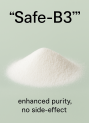
Safe-B3™ (Vitamin B3, Niacinamide)
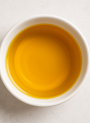
Jojoba Oil (Golden - Deodorized)
GlucoBright™ (Acetyl Glucosamine)
Light Cream Maker™
Titanium Dioxide 15nm Liquid (Gloss)
Zinc Oxide 35nm Liquid

Zinc Oxide 40nm Dispersion (Water Base)