Questions about Non-Foaming Facial Cleansing Gel Formulation
Asked by: dew-everything
On: April 19, 2018
Product Type:
Cosmetics
Answered
Question
Regarding a non-foaming facial cleansing gel formulation, I have the following questions:
- Does Lactic Acid in a facial cleansing gel get washed off and not remain on the skin?
- Does WaterLock cause the facial cleansing gel texture to become thinner? In a previous facial cleansing gel I made (different formula), adding WaterLock immediately made the texture thinner and much less viscous, even though I added SugarThick 2%.
- Should I use other skin-adhering moisturizing agents instead of WaterLock?
- Can Xanthan Gum create a thicker gel texture than SugarThick?
Answer
Subject: Non-Foaming Facial Cleansing Gel Analysis
Regarding your formula for a non-foaming facial cleansing gel and your questions:
- Lactic Acid: Yes, Lactic Acid in a facial cleanser is designed to be rinsed off and will not remain on the skin after washing.
- WaterLock and Viscosity: It is possible that WaterLock can reduce the viscosity of the gel cleanser. The staff suggests that you can use other gelling agents to help SugarThick perform better. For example, you could pre-mix the total water phase with Xanthan Gum until a light gel forms before adding other ingredients.
- Alternative Moisturizing Agents: WaterLock is considered suitable for leaving a slippery feel on the skin. However, other options that are popular for leaving a light coating on the skin after cleansing include Poly-Conditioner Eco (Polyquaternium-7) and Poly-Conditioner Pro. These are cationic ingredients that adhere to the skin.
- Xanthan Gum vs. SugarThick: Xanthan Gum can create a thicker and more stable gel than SugarThick. However, it is generally more difficult to incorporate and produces a different gel texture. These gelling agents can be used together to improve performance. The staff recommends testing different combinations or using them individually to find the best texture and ease of production for your formula. Xanthan Gum is typically used at concentrations between 0.1% and 2%.
Related Products Mentioned
Glycerin (USP/Food Grade)
Cosmetics
Cocamidopropyl Betaine
Cosmetics

Lactic Acid (AHA) 88%
Cosmetics
Coco Glucoside
Cosmetics
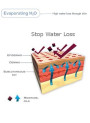
WaterLock™ (Polyquaternium-51)
Cosmetics
Butylene Glycol
Cosmetics

Phenoxyethanol SA (eq. Optiphen Plus)
Cosmetics
Poly-Conditioner Pro (400 mPa.s)
Cosmetics
Poly-Conditioner Eco
Cosmetics