Questions about Water Drop BB Cream Formulation, Process, and Color Adjustment
Question
I am making a Water Drop BB Cream using the formula provided in the forum link. I have some questions regarding the process, ingredients, and color adjustment:
- Heating Temperature: In the process step that mentions heating to 70-80%, does this refer to temperature in Celsius (70-80°C)? How does heating affect
Cyclopentasiloxane (Cyclomethicone)which is volatile at temperatures above 60°C? - Cyclomethicone and Sunscreen:
Cyclopentasiloxane (Cyclomethicone)is mentioned as helping carry active substances. If I use sunscreen-gradeTitanium DioxideandZinc Oxide(physical sunscreens that should stay on the surface), will Cyclomethicone enhance their penetration and potentially reduce their effectiveness or raise safety concerns? - Water Addition Temperature: When using
Warp Cream Maker™(a Water-in-Oil emulsifier), what is the recommended temperature for adding the water phase into the oil/silicone phase? - Color Adjustment: The cream color is too dark. The formula uses
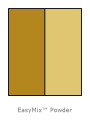
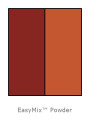
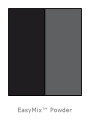
Yellow Iron Oxides EasyMix™,Red Iron Oxides EasyMix™, andBlack Iron Oxides EasyMix™. How can I adjust the color to be lighter and match my skin tone better? Should I addTitanium Dioxide(WaterMix™ White)? What is the best method for adjusting the color blend? - Coverage and Texture: The formula also includes
BB Micro Silk™andSilk Mica Powder. How do these ingredients affect coverage and texture, and how can I adjust their proportions to get the desired finish (e.g., less powdery)?
Answer
Water Drop BB Cream Formulation and Questions
Thank you for sharing the detailed formula and process for making Water Drop BB Cream, along with the questions from the forum.
Let's address the technical questions raised:
Regarding the Process and Ingredients
Heating to 70-80%: The question about whether 70-80% refers to temperature (Celsius) is likely correct, meaning 70-80°C. However, as noted, Cyclopentasiloxane (Cyclomethicone) is a volatile silicone that evaporates quickly at temperatures above 60°C. Heating the mixture containing Cyclomethicone to 70-80°C would cause significant evaporation, potentially altering the final texture and composition of the cream. It is advisable to review the heating step. If heating is necessary for other ingredients (like melting waxes, although none are listed in this specific formula), heat those components separately and allow the mixture to cool before adding volatile ingredients like Cyclomethicone and then proceeding with the water phase addition.
Cyclomethicone as a Penetration Enhancer and Sunscreen Safety: Cyclopentasiloxane (Cyclomethicone) is known to help carry active substances into the skin. Mineral sunscreens like Titanium Dioxide and Zinc Oxide primarily work by forming a protective layer on the skin surface to reflect or scatter UV radiation. While Cyclomethicone can enhance penetration, the goal for mineral sunscreens is typically to remain on the surface for optimal UV protection. Enhancing their penetration could potentially reduce their effectiveness as a surface barrier and might raise questions about absorption, although this is a complex toxicological consideration. It's worth noting that the Titanium Dioxide product found in our system (WaterMix™ White) is described for use as a colorant in makeup, not specifically for UV protection, and directs users to a different category for sunscreen-grade Titanium Dioxide. If using sunscreen-grade Titanium Dioxide and Zinc Oxide, ensuring they remain dispersed on the skin surface is key for UV efficacy.
Adding Water Temperature: Warp Cream Maker™ is a water-in-oil emulsifier. The general method for this type of emulsifier is to gradually add the water phase into the oil/silicone phase while continuously mixing or blending. If any heating was applied to the oil/silicone phase (e.g., to melt ingredients), it is recommended to let it cool down before slowly adding the water phase. This helps ensure proper emulsion formation and minimizes evaporation of volatile components.
Regarding Color Adjustment
The question about the color being too dark and wanting a brighter, skin-matching shade is common. The formula uses Yellow Iron Oxides EasyMix™, Red Iron Oxides EasyMix™, and Black Iron Oxides EasyMix™ for color. To adjust the color to be lighter and brighter and match your skin tone, you can follow these principles:
- Use Titanium Dioxide: Titanium Dioxide (WaterMix™ White in our system) is a white pigment. Increasing the proportion of Titanium Dioxide in your color blend will make the overall color lighter and can help achieve a brighter tone.
- Adjust Iron Oxide Ratios: Carefully adjust the ratios of Yellow, Red, and Black Iron Oxides to fine-tune the hue to match your skin's undertone (e.g., adding more yellow for warmer tones, more red for pinker tones). The staff's suggestion to use the method for adjusting powder color is a good approach – pre-mix your pigments (Iron Oxides and Titanium Dioxide) in different ratios on a palette until you get a shade close to your skin tone, then add this pigment blend to your cream base.
- Gradual Addition: Always add the pigment blend gradually to the cream base, mixing thoroughly each time, and test the color on your skin until the desired shade is achieved.
Coverage and Texture
The formula also mentions BB Micro Silk™ and Silk Mica Powder. BB Micro Silk™ is designed to provide a soft-focus effect, helping to blur the appearance of wrinkles and pores for a smooth, natural look. Silk Mica Powder can provide more opaque coverage and a matte finish. You can adjust the proportions of these powders to achieve your desired level of coverage and texture, keeping in mind that using too much Silk Mica Powder might result in a less natural, more powdery finish, as noted in the original post.
We hope this information helps you refine your Water Drop BB Cream formulation!
Related Products Mentioned
Phenoxyethanol (Extra Pure)
BB Micro Silk™
Yellow Iron Oxides EasyMix™
Red Iron Oxides EasyMix™
Black Iron Oxides EasyMix™
Talc Powder (5 Micron, Methicone Coated)