Questions on Acne Treatment Side Effects, PIH Prevention, and Formula Evaluation
Question
I have some questions regarding managing acne, preventing post-inflammatory hyperpigmentation (PIH), and evaluating a formula I'm developing:
- What kind of anti-inflammatory ingredients can help prevent PIH from acne or wounds?
- What will the texture of a formula containing 1% Pro Polymer, 10% Beta Glucan Solution, and 5% Calendula Extract be like? Will it feel oily?
- Is Beta Glucan better than Ceramide for anti-irritation?
- Can I add 1% Bisabolol to my formula using Pro Polymer? If so, at which step?
- Why does my skin look dull after leaving Benzoyl Peroxide on for a long time, even without redness or peeling? Is it related to irritation or melanin stimulation?
Answer
Addressing Your Skincare Questions
Thank you for your detailed questions regarding managing acne, post-inflammatory hyperpigmentation (PIH), and skin irritation.
1. Preventing Post-Inflammatory Hyperpigmentation (PIH)
You are correct that inflammation plays a key role in the formation of PIH. Ingredients that help reduce inflammation during the healing process of acne or wounds can indeed help minimize the severity and duration of the resulting red or dark marks. While direct whitening agents are used to treat existing dark spots, incorporating anti-inflammatory ingredients into your routine before or during the inflammatory phase is a good strategy for prevention.
Ingredients known for their anti-inflammatory properties that can be beneficial include:
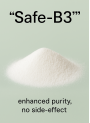
- Niacinamide (Vitamin B3): Reduces inflammation and also helps prevent the transfer of pigment within the skin.
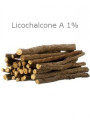
- Licorice Extract (Licochalcone A): A potent anti-inflammatory and antioxidant, also has some melanin-inhibiting effects.
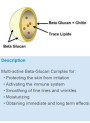
- Beta Glucan: Soothes irritation and promotes skin healing.
- Allantoin: Calms irritation and supports skin regeneration.
- Calendula Extract: Known for its soothing and healing properties.
- Bisabolol: An anti-inflammatory component of Chamomile.
Using these ingredients can help calm the skin's response to inflammation, thereby reducing the trigger for excess melanin production that leads to PIH.
2. & 3. Your Proposed Formula and Texture
Your proposed formula focuses heavily on anti-irritant and soothing ingredients (Allantoin, Beta Glucan, Calendula Extract, Bisabolol). This is a good approach for addressing the dryness and roughness caused by acne medications and AHA, even if you typically have oily skin. These treatments can disrupt the skin barrier, leading to dehydration despite oiliness.
The ingredients you've chosen will help to calm the skin and provide hydration without adding oiliness. The staff correctly pointed out that ingredients like Niacinamide, Licorice Extract, MSM, and Rice Vitamin are also excellent for balancing the skin and providing hydration for oily-but-dehydrated skin.
Regarding the texture (Question 2 & 3): With 1% Pro Polymer as a thickener, along with 10% Beta Glucan solution and 5% Calendula Extract, the formula will likely result in a gel or viscous serum texture. It should feel hydrating and soothing. It is unlikely to make your face feel oily, but depending on the specific type of Pro Polymer and the concentration used, it might feel slightly sticky or tacky upon application until fully absorbed. This is a common characteristic of gel formulations.
4. Beta Glucan vs. Ceramide for Anti-Irritation
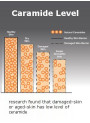
The staff's explanation is accurate. Beta Glucan is excellent for its primary function of reducing irritation and stimulating wound healing. Ceramide Complex, on the other hand, is crucial for repairing and strengthening the skin's natural barrier. If your skin feels dry, rough, or compromised from treatments like AHA and Benzoyl Peroxide, this indicates barrier damage. In this case, Ceramide would be highly beneficial for restoring the barrier, which in turn reduces dryness and sensitivity. While your current formula is good for soothing irritation, adding Ceramide or considering it as an alternative focus could be very effective for addressing the underlying dryness and barrier issue.
5. Adding Bisabolol
As the staff confirmed, 1% Bisabolol can be incorporated into your formula using Pro Polymer. It should be added in the final step after you have created the gel base with Pro Polymer and other water-soluble ingredients.
6. Benzoyl Peroxide and Skin Dullness
Benzoyl Peroxide (BP) is a strong oxidizing agent used to kill acne bacteria and help shed dead skin cells. It is also known to increase skin's sensitivity to UV light. While you are using sunscreen and are indoors, it's important to note that even indoor lighting (including visible light and some UVA) can potentially impact sensitized skin over prolonged exposure.
Your observation that your skin looks dull after leaving BP on for extended periods, even without redness or peeling, could be due to a few factors:
- Subclinical Irritation: BP can cause irritation at a cellular level even before visible signs like redness or peeling appear. This irritation could temporarily affect skin tone or texture, leading to a dull appearance.
- Temporary Oxidative Effect: As an oxidant, BP might have a temporary effect on skin cells or surface lipids that affects light reflection and causes a transient dull look.
- Increased Photosensitivity: Even low levels of indoor UV or visible light interacting with BP-sensitized skin could contribute to a temporary change in appearance, although significant darkening from this indoors is less common than from sun exposure.
It is less likely that the dullness is an immediate result of BP stimulating melanin production as a direct response to its bleaching property on skin (the bleaching effect is more noticeable on materials). The temporary dullness is more likely related to irritation or oxidative effects.
Your hypothesis that it's a form of irritation (even without typical symptoms) is plausible. If leaving it on longer causes this effect, it suggests that shorter contact therapy (15-30 mins) is better tolerated by your skin and helps you avoid this temporary dullness, allowing your whitening products to work more effectively.
In summary, your approach to incorporating anti-inflammatory ingredients is good for minimizing PIH. Your proposed formula is suitable for soothing irritation. Consider Ceramide if dryness/barrier repair is a key concern. The dullness from BP is likely a temporary irritation or oxidative effect, reinforcing the benefit of using it as a short-contact treatment if prolonged contact causes this.
I hope this detailed explanation is helpful!
Related Products Mentioned
Ceramide Complex (CeraTouch™, Cream)
Safe-B3™ (Vitamin B3, Niacinamide)

Allantoin

Natural Bisabolol (Brazil Chamomile)

Calendula Extract (Water Soluble)

Pure MSM™ (Methylsulfonylmethane)
Pro Polymer™ (Gel Maker)