Questions on Formulating with Vitamin C and Glycolic Acid
Question
I have some questions regarding formulations using L-Ascorbic Acid and Glycolic Acid:
- Vitamin C (L-Ascorbic Acid): What is the difference in efficacy and absorption when using 20% L-Ascorbic Acid compared to 15%?
- Glycolic Acid:
- How do I calculate the amount of 70% Glycolic Acid product needed to create a 2% solution using 44g of water?
- What percentage of Glycolic Acid is suitable for gentle exfoliation to help skin cell turnover faster, aiming for something like a 7-day cycle?
Answer
Vitamin C (L-Ascorbic Acid) and Glycolic Acid Formulation Questions
Here are the answers to your questions regarding L-ascorbic acid and glycolic acid formulations:
Vitamin C Concentration (15% vs 20%) and Absorption
Increasing the concentration of L-ascorbic acid from 15% to 20% may offer a slight increase in efficacy for some individuals, particularly for concerns like skin brightening and collagen stimulation. However, the difference in results between 15% and 20% is often not dramatically significant for everyone.
The primary consideration when increasing L-ascorbic acid concentration beyond 15% is the potential for increased skin irritation, stinging, redness, and dryness. L-ascorbic acid is acidic, and higher concentrations lead to a lower pH, which can be irritating, especially for sensitive skin. Many formulators and experts consider 15% to be a highly effective concentration that is generally better tolerated by a wider range of users, balancing efficacy with potential side effects.
Regarding absorption, while higher concentrations deliver more active ingredient to the skin surface, skin absorption is a complex process with limitations. At very high concentrations, factors like the overall formula's pH, stability, and the individual's skin barrier health play crucial roles. Severe irritation caused by a high concentration can actually impair the skin barrier, potentially affecting how well ingredients are absorbed or leading to adverse reactions rather than increased benefit. While specific research directly comparing the absorption rate difference between exactly 15% and 20% might vary, the focus in formulation often shifts to optimizing stability and minimizing irritation at these higher levels to ensure the ingredient can work effectively without causing harm.
Preparing 2% Glycolic Acid Solution
In cosmetic formulation, percentages are typically calculated based on the total weight of the final solution or mixture, not just the solvent (like water).
If you have 44g of water and want to prepare a 2% Glycolic Acid solution using a Glycolic Acid product that is 70% concentration (as discussed in the forum replies), you would need to calculate the amount of the 70% Glycolic Acid product required. Let's call the weight of the 70% Glycolic Acid product needed "X" grams.
The total weight of your final solution will be the weight of the water plus the weight of the 70% Glycolic Acid product: Total Weight = 44g + X g.
The amount of pure Glycolic Acid in the solution comes only from the 70% product: Pure GA = X g * 0.70.
To get a 2% solution, the amount of pure GA must be 2% of the total weight:
Pure GA = 0.02 * (Total Weight)
X * 0.70 = 0.02 * (44 + X)
0.70X = 0.88 + 0.02X
0.70X - 0.02X = 0.88
0.68X = 0.88
X = 0.88 / 0.68
X ≈ 1.294 grams
Therefore, to get a 2% Glycolic Acid solution with 44g of water, you would need approximately 1.294 grams of the 70% Glycolic Acid product. The total weight of your 2% solution would be approximately 44g + 1.294g = 45.294g.
Glycolic Acid Percentage for Gentle Exfoliation
Skin cell turnover naturally varies among individuals, with an average cycle of about 28 days. Using AHAs like Glycolic Acid can help accelerate this process, but achieving an exact turnover cycle like 7 days is not a precise outcome and depends heavily on individual skin response.
For gentle exfoliation aimed at speeding up cell turnover, a concentration of Glycolic Acid in the range of 2% to 5% is generally recommended for home use. A 2% concentration, which you are preparing, is considered a mild starting point. A 5% concentration is also a common and effective level for gentle exfoliation for many people, as suggested in the forum replies and product information for general cosmetic use.
It is crucial to start with a lower concentration and observe how your skin responds. If your skin tolerates it well and you desire more exfoliation, you can gradually increase the concentration, but always stay within recommended guidelines (e.g., typically not exceeding 10% for consumer products with appropriate pH, as per FDA guidelines mentioned in product descriptions). Skin tolerance is key to consistent use and achieving desired results without irritation.
Remember that the effectiveness of Glycolic Acid also depends significantly on the formula's pH. For optimal efficacy, the pH should ideally be between 3.0 and 4.0, although FDA guidelines for consumer products require a pH of at least 3.5.
Relevant products mentioned include various grades of L-ascorbic acid and forms of Glycolic Acid like Glycopure™, Ampho-Glycolic™, and ActiveRelease™ Glycolic Acid.
Related Products Mentioned
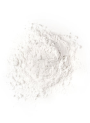
Vitamin C (L-ascorbic acid) (Ultra-Fine)
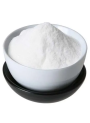
Vitamin C (L-ascorbic acid) (Fine)
Glycopure™ (Glycolic Acid (AHA) Powder)