Questions on RiceSorb, AminoSilk, Sugar Gel, and Oil Cleansing Gel Formulation
Question
I have questions regarding several ingredients and a specific formulation:
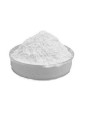
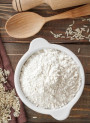
RiceSorb and AminoSilk: Can RiceSorb and AminoSilk (at around 3%) be mixed and applied to the face like regular Talc powder? What are their functions in this application?
Sugar Gel (Sucrose Stearate / Sucrose Palmitate):
- When used to create an oil gel, does Sugar Gel reduce the oiliness of the oil?
- What is the maximum percentage of water that can be incorporated when using Sugar Gel?
- Why does the example formula use only 4% water?
- Can Lecithin be used instead of Sugar Gel if a higher water content is desired, such as in a cream or lotion?
- How does the amount of Sugar Gel affect the amount of water that can be added and the consistency of the gel?
Oil Cleansing Gel Formulation Issue: I tried making an Oil Cleansing Gel using the following formula, but it separated. What could be the reason, and what is the correct procedure?
Formula:
- Any oil (e.g., Fractionated Coconut Oil) 66%
- MakeUp-Wash™ 10%
- Coco Wash™ 5%
- Glycerin 10%
- Sugar Gel 5%
- Water 4%
My Mixing Steps (as provided in the initial staff reply): Heat steps 4+5+6 to 70-80°C and mix well. Then heat steps 1+2+3 to 70-80°C. Slowly pour the mixture from step 1 into the first prepared mixture while continuously stirring or blending.
Answer
Answers to Your Formulation Questions
Here are the answers to your questions regarding RiceSorb, AminoSilk, and Sugar Gel formulations:
1. RiceSorb and AminoSilk
Mixing RiceSorb and AminoSilk (around 3%) and applying it to the face like a regular Talc powder is possible. Both ingredients are powders used in cosmetic formulations to improve texture and feel on the skin. RiceSorb (Rice Starch) is a natural powder that helps absorb oil without drying the skin, making it a good alternative to Talc. AminoSilk (Lauroyl lysine) is a powder that adds softness and smoothness to formulations and can enhance water resistance.
- (Regarding the stock availability of RiceSorb, I do not have information on when products will be restocked.)*
2. Sugar Gel (Sucrose Stearate / Sucrose Palmitate)
2.1 Oil Gel Texture and Feel
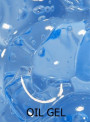
When using Sugar Gel to create an oil gel, the oiliness of the oil itself does not significantly decrease. The gelled oil will feel very similar to the oil before gelling, with almost no difference in terms of oiliness. Sugar Gel's primary function is to transform the oil into a clear gel texture. It may help the oil absorb slightly faster into the skin, but it does not increase the depth of absorption, which depends mainly on the type of oil used.
2.2 Maximum Water Content and Lecithin
The example formula uses a low percentage of water (4%) because Sugar Gel is a water-in-oil (W/O) emulsifier designed to create clear oil gels with only a small amount of water (typically 2-5%). If you add significantly more water, the formula will become cloudy or milky instead of remaining clear. If your goal is to create a formulation with a higher water content, such as a cream or lotion, using an emulsifier like Lecithin would be more appropriate. Lecithin can help combine larger amounts of water and oil, and if you use Lecithin for this purpose, Sugar Gel would not be necessary and would add unnecessary cost.
2.3 Effect of Sugar Gel Amount on Water Content and Gel Consistency
The amount of Sugar Gel used primarily affects the viscosity and hardness of the oil gel. Using a higher percentage of Sugar Gel (within the recommended range of 2-10%) will result in a thicker or harder gel. While Sugar Gel can incorporate a small amount of water, increasing the amount of Sugar Gel does not mean you can significantly increase the water content while maintaining the characteristic clear oil gel texture. If you add too much water, the formula will become milky regardless of the Sugar Gel concentration, as its strength is in emulsifying small water droplets within a predominantly oil phase.
Oil Cleansing Gel Formulation Issue
Regarding the issue with the Oil Cleansing Gel formula separating, the problem was likely due to the mixing steps. The correct procedure is to first heat and mix the water-phase ingredients (Glycerin, Sugar Gel, and Water) at 70-80°C until they form a creamy texture. Separately, heat the oil-phase ingredients (Fractionated Coconut Oil, MakeUp-Wash, and Coco Wash) to the same temperature. Then, slowly pour the heated oil-phase mixture into the heated water-phase mixture while continuously stirring or blending until the gel texture is achieved. Overheating the water-phase mixture to the point of boiling could potentially affect the ingredients, but the primary cause of separation is usually incorrect mixing order and technique.
Related Products Mentioned
Glycerin (USP/Food Grade)
Fractionated Coconut Oil
Coco Wash™ (PEG-7 Glyceryl Cocoate)