Recommendations for Thickening Agents in Dog Shampoo
Question
I am formulating a dog shampoo using Xanthan Gum as a thickener, but the texture is coming out like a paste. I am looking for alternative thickening agents that can provide a better texture.
My formulation uses Sodium Cocoyl Isethionate as a surfactant.
What are some suitable alternatives to Xanthan Gum for thickening shampoo, and what should I consider when using them (e.g., compatibility with ingredients like Sodium Cocoyl Isethionate, pH requirements)?
Answer
Recommendations for Thickening Agents in Dog Shampoo
I understand you're having trouble with the texture of your dog shampoo using Xanthan Gum, resulting in a paste-like consistency. This is a common issue with some types of Xanthan Gum, and simply adjusting the percentage may not give you the desired texture.
There are several other thickening agents suitable for use in shampoo that can provide a better texture than Xanthan Gum:
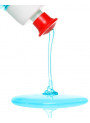
- SugarThick™ (PEG-120 Methyl Glucose Dioleate): This is a plant-derived thickener (sugar derivative) that is easy to use by simply adding it to the formula. It provides a beautiful, clear gel texture and can also help reduce irritation from detergents, making it suitable for gentle formulations.
- PEG-150 Distearate: This is a PEG-group substance commonly used as a thickener in shampoos and cleansing products. It provides good thickening and helps the formula remain clear. It has high stability and is compatible with other ingredients, including salt.
- EasyThick™: This is a thickener specifically for shampoo/liquid soap. It is easy to use and provides a clear texture in all formulas.
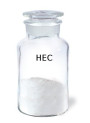
- Hydroxyethyl Cellulose (HEC): This is a non-ionic gelling agent unaffected by electrolytes (like salt), making it suitable for formulas containing surfactants. It provides a nice gel texture and is available in various viscosities.
- ThickClean™ (Acrylates Crosspolymer): This is a liquid thickener that provides a beautiful, clear color and high viscosity to shampoo or liquid soap. It is effective at suspending beads or pearlescent pigments in the formula without settling. It works in the pH range of 4-6.
- Sodium Chloride (Table Salt): High-purity table salt can be used to increase viscosity in formulas containing anionic surfactants like Sodium Cocoyl Isethionate, which you are using. It is typically used in amounts not exceeding 1-2%. Preparing a salt solution and gradually adding it to adjust viscosity is a common method.
Safety of PEG Compounds:
PEG compounds used in cosmetics, such as PEG-120 Methyl Glucose Dioleate (SugarThick) and PEG-150 Distearate, are considered safe and are widely used in cleansing products, including those for children.
Suitability of Carbomer in Shampoo:
Carbomer (e.g., Carbomer 940, Carbomer U21, Carbomer Ultrez 30) can be used to create a gel texture in shampoo. It provides a smooth, clear gel. However, there are points to note:
- Carbomer is acidic and must be neutralized to an alkaline pH (typically pH 6-7 or slightly higher, depending on the type) using an alkali like Triethanolamine or Sodium Hydroxide to form the gel.
- Some types of Carbomer are not tolerant of electrolytes (such as salt or certain surfactants), which can cause the gel to thin. However, some Carbomer types, like Carbomer Ultrez 30, are developed to be more electrolyte tolerant.
Therefore, Carbomer can be suitable for use in shampoo, but you need to choose a type appropriate for your formula and adjust the pH correctly.
In summary, there are several alternative thickeners that should provide a better texture than Xanthan Gum for your dog shampoo. Consider SugarThick, PEG-150 Distearate, EasyThick, HEC, or even using Sodium Chloride in appropriate amounts. You could also try an electrolyte-tolerant Carbomer and adjust the pH accordingly.
Related Products Mentioned
Carbomer 940 (EasyDisperse™, France)
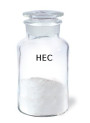
Hydroxyethyl Cellulose (HEC) (4500mPa.s)
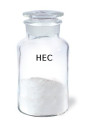
Hydroxyethyl Cellulose (HEC) (2800mPa.s)