Recommended Chelating Agents for Color Stability in O/W Emulsions
Asked by: mindmid.satima
On: February 27, 2024
Product Type:
Cosmetics
Answered
Question
What chelating agents are recommended to prevent color change in an oil-in-water cosmetic emulsion formula?
Answer
Recommended Chelating Agents for Color Stability in O/W Emulsions
To prevent color change in your oil-in-water emulsion cosmetic formulation, using a chelating agent is a good approach. Chelating agents bind to metal ions that can cause discoloration and instability.
Here are some recommended chelating agents:
- Disodium EDTA: A common chelating agent that helps prevent interference from water ions and stabilizes the formula. It is suitable for products with a pH between 3.0 and 9.0. Recommended usage is 0.1-0.2%.
- Tetrasodium EDTA: Similar to Disodium EDTA, it helps stabilize the formula by binding metal ions. This type is suitable for products with a higher pH, between 8 and 12. Recommended usage is 0.1-0.2%.
- Trisodium Ethylenediamine Disuccinate (EDDS): This is noted as a more effective and biodegradable chelating agent.
- Sodium Phytate: Derived from plants, Sodium Phytate acts as a chelating agent, stabilizer, and antioxidant. It is effective at binding metal ions to prevent oxidative deterioration and discoloration. Usage rate is typically 0.1-1%. Note that it should be mixed in the water phase and avoid heat over 80 degrees Celsius.
- Pentasodium Pentetate: Another chelating agent option.
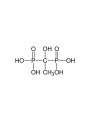
- HEDP-4Na (Tetrasodium Etidronate): Also functions as a chelating agent.
Choosing the best chelating agent may depend on the specific ingredients in your formula and the target pH range. Disodium EDTA and Tetrasodium EDTA are widely used, while Sodium Phytate offers additional antioxidant benefits. Trisodium Ethylenediamine Disuccinate is a more modern, biodegradable option.
Related Products Mentioned
Disodium EDTA
Cosmetics
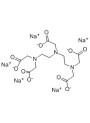
Pentasodium Pentetate (DTPA-5Na, 40%)
Cosmetics
Tetrasodium EDTA (EDTA-4Na)
Cosmetics
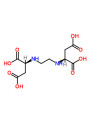
Sodium Phytate
Cosmetics