Recommended Ingredients for Oil Control in Facial Cleansers and Leave-on Products
Question
I have oily skin and am developing a facial cleanser (foam/gel base). I'm considering using MatteSilica XL for oil control. Is this ingredient suitable for a wash-off product like a cleanser? What other ingredients are effective for controlling oiliness in both facial cleansers and leave-on products? Please provide recommended usage percentages, mixing instructions, and suitable pH ranges for these alternative ingredients.
Answer
MatteSilica XL is designed to absorb excess oil on the skin's surface, making it suitable for leave-on products like powders or makeup. It does not reduce the skin's oil production. Therefore, it is generally not effective for use in wash-off products like facial cleansers, as it would be rinsed away before it could provide a lasting oil-control benefit.
For controlling oiliness during cleansing and in leave-on products, ingredients that help regulate sebum production are more effective. Based on your need for significant oil control, here are some recommended ingredients and their typical usage:
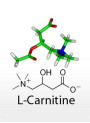
- L-Carnitine: This amino acid helps reduce sebum production by controlling oil production in the pores. It can be used in lotions, creams, gels, or serums.
- Usage Rate: 1-5% (recommended 3% for oil control).
- Mixing: Mix in the water phase. The formula pH should be between 3.5-8 (optimal pH 4-7).
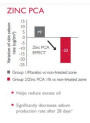
- Zinc PCA: Effective in reducing skin oiliness and acne breakouts by reducing the production of DHT, which contributes to oily skin. It also helps accelerate wound healing and reduce inflammation. Can be used in various skincare products, including those for acne or oily scalp.
- Usage Rate: 0.2-1.0% (1.0% for oily skin/acne, 0.2-0.3% for shampoo/dandruff).
- Mixing: Mix in the water phase. Optimum pH is 4-6 (range 3-7). Avoid prolonged heating.
- Pure MSM™ (Methylsulfonylmethane): Helps control oil by reducing the oil production of the sebaceous glands. Can be used in acne products or creams.
- Usage Rate: 1-5% (recommended 3% for oil control).
- Mixing: Mix in the water phase. The formula pH should be between 3-7. Note: Not suitable for use with Vitamin C in the same formula as it may accelerate Vitamin C oxidation.
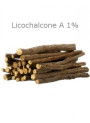
- Licorice Extract: Certain compounds in licorice extract, such as Licochalcone A, have properties that can help reduce skin oiliness and inflammation.
- Licorice Extract (Licochalcone A 1%, Water-Soluble): Recommended 0.5-1.0% for reducing oiliness, treating acne, inflammation, and irritation. Mix in the water phase or emulsifier. Formula pH 3.5-6.5.
- Licorice Extract (Glabridin 4.5%, Water-Soluble): Primarily known for anti-irritation and whitening effects, but also contributes to anti-inflammation which can be beneficial for oily/acne-prone skin. Usage rate 1-2%. Dissolve directly in water, add in the last step if using heat.
For your facial cleanser formulation, L-Carnitine, Zinc PCA, Pure MSM, and Licorice Extract (Licochalcone A) are suitable options to incorporate into a foam or gel base to help control oiliness during the washing step. You can also use these ingredients in your leave-on facial treatment products to help balance oil production over time.