Recommended Usage Percentage for Extracts and Proteins
Question
Following up on the discussion about natural oils, what are the recommended usage percentages for other ingredients like Hydro Protein, Green Tea Extract, and Sea Kelp Bioferment in cosmetic formulations?
Answer
You asked about how to determine the usage percentage for various ingredients, specifically mentioning Hydro Protein, Green Tea Extract, and Sea Kelp Bioferment, in addition to the natural oils that were previously discussed.
For many ingredients, especially extracts and proteins, the appropriate usage percentage is typically based on recommendations from the raw material supplier. This information comes from research, efficacy testing, and safety evaluations, ensuring that users can incorporate them into formulations correctly and achieve the desired results.
Based on the information available for the ingredients you are interested in, the recommended usage rates are as follows:
- Sea Kelp Extract: The recommended usage rate is 1-10% (recommended at 1-3% for skin, hair, and scalp care). Using a high concentration might result in a fishy odor in the formula.
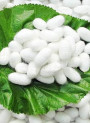
- Hydrolyzed Silk Protein: The recommended usage rate is 0.1-1% (recommended at 0.3-0.5%).
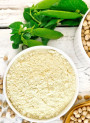
- Hydrolyzed Pea Protein: The recommended usage rate is 0.5-5.0% (recommended at 2% for skin and hair).
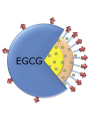
- Green Tea Extract (ActiveRelease™ EGCG): The recommended usage rate is 0.5-5% (recommended at 3%).
Therefore, for these specific raw materials, you can refer to the recommended usage rates provided by the supplier. Starting within the recommended range helps ensure a certain level of efficacy and safety before you consider adjusting based on your formulation goals and desired outcomes.
In cases where a raw material truly does not have a specified usage rate (which is uncommon for standard ingredients), you might need to seek additional information from other sources such as cosmetic databases, relevant scientific literature, or by contacting the supplier directly. However, most common raw materials, especially those widely available, usually come with basic usage recommendations.