Recommended Usage Percentages for Sensitive, Acne-Prone Skin Formulation
Question
I am formulating a product for sensitive skin, clogged pores, inflamed acne, and dehydration. I am concerned about using too high a percentage of certain ingredients and causing irritation or allergy. What are the recommended usage percentages for the following ingredients in this type of formulation, considering potential issues like flushing (especially for B3)?
- Allantoin
- Vitamin B3 (Niacinamide)
- Vitamin B5 (Panthenol)
- Green Tea Extract
Answer
Recommended Percentages for Your Formulation
Based on the product information and considering your skin concerns (sensitive, clogged pores, inflamed acne, dehydration), here are the recommended usage percentages for each ingredient:
- Allantoin: Recommended usage is 0.5%. It helps reduce irritation and supports skin repair, which is beneficial for sensitive and acne-prone skin.
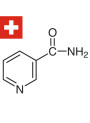
- Vitamin B3 (Niacinamide): The recommended usage range is 1-10%. For addressing acne, oiliness, and strengthening the skin barrier, a concentration of 5% is often recommended. High-purity types like Safe-B3™ or Extreme-B3™ can be used up to 10% and are less likely to cause flushing, even on sensitive skin. You could start with 5% and adjust based on your skin's response.
- Vitamin B5 (Panthenol): The recommended usage range for skin is 1-10%, with 1-3% being generally recommended. It's excellent for hydration, reducing inflammation, and supporting wound healing, which helps with dehydration and acne. Using above 5% might make the product sticky. A concentration of 1-3% would be suitable.
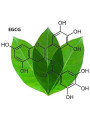
- Green Tea Extract: The recommended usage range varies by type. For Hi-EGCG™ (liquid), it's 1-5%. For Pure-EGCG™ (powder), it's 0.1-2%, with 1-2% recommended for oily skin. Green Tea Extract helps reduce oiliness and inflammation, beneficial for acne. You could consider 1-2% of Hi-EGCG™ or 0.5-1% of Pure-EGCG™ for your formulation.
As the staff mentioned, it's crucial to perform a patch test before applying the full formulation to your face, especially with sensitive skin. Start with lower concentrations within the recommended ranges if you are concerned about sensitivity.
Related Products Mentioned
Safe-B3™ (Vitamin B3, Niacinamide)
Allantoin
Hi-EGCG™ (Green Tea Extract)